Are manual cars safer than automatic? This question has sparked debates among drivers for years. While both types of transmissions have their merits, understanding the impact on accident rates is crucial for informed decision-making. Let’s delve into the factors influencing safety and explore the real differences between manual and automatic vehicles.
Manual vs. Automatic: Understanding the Basics and Safety Perceptions
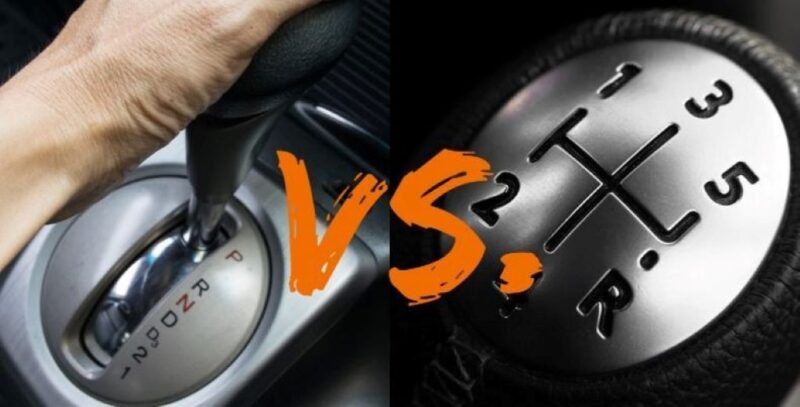
Before examining accident statistics, it’s essential to grasp the fundamental differences. Manual cars require drivers to shift gears manually, demanding more active engagement. Automatic cars handle gear changes, simplifying the driving process. This difference in driver engagement directly impacts safety perceptions and potential accident scenarios.
Many people believe that manual cars give the driver more control. This perceived control can lead to a feeling of enhanced safety. However, is this perception backed by actual data? We need to look at real-world accident rates and contributing factors.
Accident Rates: Analyzing the Data and Contributing Factors
Pinpointing a definitive answer to “Are manual cars safer than automatic?” is complex. Accident rates vary depending on numerous factors, including driver experience, road conditions, and vehicle safety features. Statistical analysis reveals nuanced insights.
-
Driver Experience:
- New drivers in manual cars may experience higher initial accident rates due to the learning curve.
- Experienced manual drivers may exhibit better vehicle control in certain situations.
-
Road Conditions:
- In congested urban areas, automatic cars might offer a safety advantage by reducing driver fatigue.
- On winding rural roads, the control of a manual car could be beneficial.
-
Vehicle Safety Features:
- Modern safety technology, such as anti-lock brakes and traction control, mitigates the inherent differences between transmissions.
Therefore, attributing safety solely to transmission type is an oversimplification. Examining contributing factors and specific driving conditions is paramount.
The Role of Driver Attention and Engagement
Driver attention plays a significant role in preventing accidents. Manual cars necessitate higher driver engagement, which can potentially reduce distractions. However, this increased focus can also lead to fatigue.
-
Manual Cars:
- Drivers are constantly engaged, potentially reducing distractions.
- Gear shifting requires concentration, which could be mentally tiring.
-
Automatic Cars:
- Drivers have less to manage, possibly increasing focus on surroundings.
- Could lead to complacency.
Thus, the optimal transmission depends on the individual’s driving style and concentration capabilities.
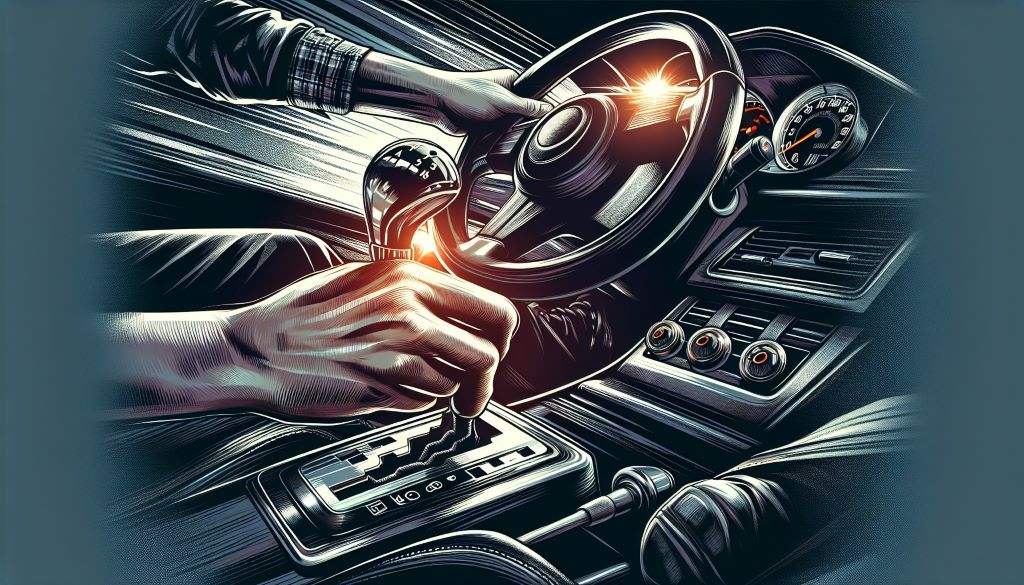
Emergency Maneuvers and Vehicle Control
In emergency situations, vehicle control becomes crucial. Both manual and automatic transmissions have unique advantages.
-
Manual Cars:
- Drivers can downshift quickly for increased engine braking.
- Greater control during slippery conditions.
-
Automatic Cars:
- Drivers can focus solely on steering and braking.
- Reduced risk of stalling during panic situations.
The ability to react swiftly and accurately depends on the driver’s proficiency with their transmission.
Factors Beyond Transmission Type
Numerous factors beyond transmission type influence accident rates. These include:
- Vehicle Safety Features: Modern safety systems significantly reduce accident risks.
- Driving Conditions: Weather, road conditions, and traffic density play a substantial role.
- Driver Behavior: Distracted driving, speeding, and impaired driving are major contributors.
- Maintenance: Well maintained vehicles are inherently safer.
Focusing solely on transmission type overlooks these critical variables.
Fuel Efficiency and Environmental Considerations
While not directly related to safety, fuel efficiency is a factor when choosing between manual and automatic cars. Traditionally manual cars were thought to provide better mileage, modern automatics have closed that gap.
- Manual: Generally provide better fuel economy, but requires skill.
- Automatic: Modern automatic transmissions have greatly increased fuel economy.
Real-world driving conditions
City driving can present specific challenges. Stop and go traffic greatly increase driver fatigue in manual vehicles. However in mountainous or rural areas, some drivers strongly prefer manual transmissions, due to the increased feeling of control.
Conclusion: Making an Informed Decision
“Are manual cars safer than automatic?” The answer is not straightforward. Both transmissions have safety implications. Driver experience, road conditions, and vehicle safety features all play crucial roles. Rather than fixating on the transmission type, prioritize safe driving habits. Stay focused, maintain your vehicle, and adhere to traffic laws.
Consider your driving needs, preferences, and local conditions. If you are a new driver, an automatic vehicle may give you some breathing room to learn the rules of the road. If you spend lots of time on the open road, or in hilly areas, a manual transmission may be preferable.
Call to Action
Evaluate your driving habits and needs before making a decision. Take a test drive in both manual and automatic cars. Prioritize safety features and safe driving practices. Research local car accident statistics to inform your selection. Drive safely!
Read More: Maximize Your Whiplash Claim: Lawyer-Approved Tips and Settlement Averages