
Importing a vehicle brings excitement and unique opportunities. However, it also comes with responsibilities. One critical aspect many importers overlook is window tinting compliance. Different countries and states have specific regulations governing how dark your windows can be. Understanding these rules helps you avoid fines and ensures your imported vehicle meets local standards.
Understanding Window Tinting Regulations
Window tinting laws exist primarily for safety reasons. Law enforcement officers need to see inside vehicles during traffic stops. Additionally, visibility requirements help prevent accidents. These regulations typically measure tint darkness using Visible Light Transmission (VLT) percentages. A higher VLT percentage means more light passes through the window.
Most jurisdictions regulate tinting on the windshield, front side windows, rear side windows, and back window differently. Therefore, knowing which windows can have darker tints becomes essential for compliance. Federal regulations in the United States provide baseline standards, but individual states maintain their own specific requirements.
Federal Regulations and State Variations
The United States has federal guidelines established by the Department of Transportation. However, these primarily apply to manufacturers rather than vehicle owners. Consequently, states hold the authority to create their own tinting laws. This creates a patchwork of regulations across the country.
For example, California permits 70% VLT on front side windows, while Texas allows 25% VLT. Meanwhile, some states prohibit reflective or mirrored tints entirely. These variations make compliance challenging, especially for imported vehicles that may arrive with tinting already installed.
Furthermore, many states offer medical exemptions for individuals with specific health conditions. Light sensitivity or certain skin conditions may qualify vehicle owners for darker tints. Nevertheless, obtaining these exemptions requires documentation from healthcare providers.
Special Considerations for Imported Vehicles
Imported vehicles present unique challenges regarding tint compliance. Many countries outside North America have more lenient tinting regulations. As a result, imported cars often arrive with tints that exceed local legal limits. This situation requires immediate attention after importation.
Additionally, some imported vehicles feature factory-installed privacy glass. This differs from aftermarket tinting but still counts toward VLT measurements. Owners must verify whether their vehicle’s existing glass complies with local regulations. Ignoring this step can lead to violations during vehicle inspections or traffic stops.
Moreover, the importation process itself may not automatically address tinting issues. Customs and border protection focus on safety standards, emissions, and other technical requirements. However, they typically do not enforce state-level tinting regulations. This responsibility falls on vehicle owners once the car enters their jurisdiction.
How to Ensure Your Imported Vehicle Complies
First, research your specific state or local regulations before completing the importation process. The International Window Film Association provides comprehensive resources about tinting laws across different regions. This preparation helps you budget for potential modifications.
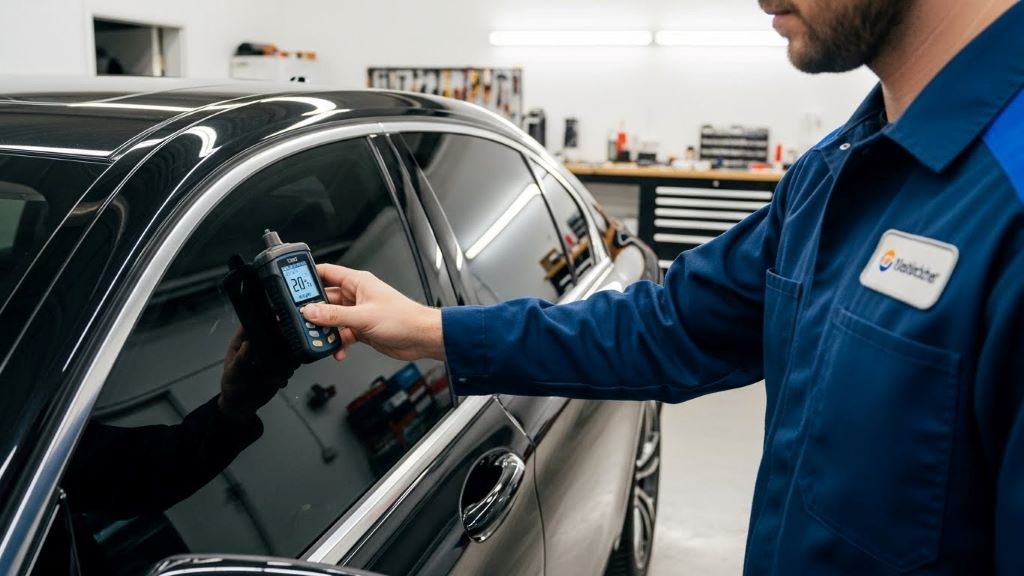
Next, have your vehicle’s current tint measured by a professional. Many automotive shops and tinting specialists offer this service. They use specialized meters to determine exact VLT percentages. This assessment reveals whether modifications are necessary.
If your imported vehicle’s tint violates local laws, you have several options. Removing existing tint and applying compliant film represents the most straightforward solution. Alternatively, some owners choose to remove tint entirely from regulated windows while maintaining it on rear windows where laws are typically less restrictive.
Additionally, keep all documentation related to your tinting. Receipts, certificates of compliance, and medical exemption letters should remain accessible. Law enforcement may request this information during traffic stops. Proper documentation prevents misunderstandings and potential citations.
Common Penalties for Non-Compliance
Penalties for illegal window tinting vary significantly by jurisdiction. Many states treat violations as fix-it tickets. These require owners to correct the issue and provide proof of compliance within a specified timeframe. However, fines typically accompany these citations.
Financial penalties range from modest amounts to several hundred dollars. Repeat violations often result in increased fines. In some jurisdictions, illegal tinting can even lead to vehicle inspection failures. This prevents registration renewal until the issue is resolved.
Furthermore, non-compliant tinting may affect insurance claims. If an accident occurs and investigators determine that illegal tint contributed to visibility issues, insurance companies might deny coverage. This risk alone makes compliance worthwhile beyond avoiding traffic citations.

The Tinting Installation Process
Professional installation ensures compliance and quality results. Experienced technicians understand local regulations and can recommend appropriate tint percentages. They also possess the tools and expertise to apply film without bubbles or imperfections.
The installation process typically takes two to four hours depending on vehicle size. Technicians clean windows thoroughly, cut film to precise measurements, and carefully apply it using specialized solutions. Proper installation prevents peeling and ensures longevity.
After installation, windows require a curing period. During this time, small water bubbles may appear beneath the film. These typically disappear within several days as moisture evaporates. Avoid rolling down windows during the curing period to prevent film damage.
Maintaining Compliant Window Tint
Quality window tinting lasts many years with proper care. Clean tinted windows using ammonia-free cleaners and soft cloths. Harsh chemicals and abrasive materials can scratch or damage the film. Regular cleaning maintains visibility and appearance.
Additionally, inspect tinting periodically for signs of wear. Peeling edges, bubbling, or discoloration indicate the need for replacement. Damaged tinting not only looks unsightly but may also fail to meet legal VLT requirements if deterioration allows more light transmission than intended.
Moreover, if you relocate to a different state, reassess your tinting compliance. What was legal in your previous location might violate regulations in your new home. Proactive checking prevents surprises during vehicle registration or inspection processes.
Benefits Beyond Compliance
Legal window tinting offers numerous advantages beyond simply avoiding penalties. It reduces interior heat, protecting upholstery and dashboard components from sun damage. This preservation maintains vehicle value over time.
Furthermore, tinting blocks harmful UV rays. According to the Skin Cancer Foundation, proper window film blocks up to 99% of UV radiation. This protection benefits drivers who spend significant time in their vehicles.
Privacy represents another valuable benefit. Tinted windows deter theft by obscuring valuable items from view. They also provide occupants with increased comfort in traffic and parking situations. These practical advantages make compliant tinting a worthwhile investment for imported vehicle owners.
Conclusion
Understanding and following auto tinting laws ensures your imported vehicle meets local compliance standards. Regulations vary significantly between jurisdictions, making research essential before completing importation. Professional assessment and installation guarantee your tinting satisfies legal requirements while providing practical benefits.
Taking proactive steps to verify compliance protects you from penalties and potential insurance complications. Whether removing existing tint, applying new compliant film, or obtaining medical exemptions, addressing this aspect of vehicle ownership demonstrates responsibility. Your imported vehicle can maintain its unique character while respecting local safety regulations through proper tinting compliance.
Frequently Asked Questions
Can I drive my imported vehicle with non-compliant tint temporarily?
No, you must comply with local tinting laws immediately upon registering your vehicle in your jurisdiction. Grace periods typically do not exist for window tinting violations. Law enforcement can issue citations during any traffic stop, regardless of how recently you imported the vehicle.
Do all windows have the same tinting restrictions?
No, regulations usually differ for windshields, front side windows, rear side windows, and back windows. Front windows typically face the strictest requirements. Rear windows often allow darker tints since they do not affect driver visibility as directly.
How much does it cost to make imported vehicle tinting compliant?
Costs vary based on vehicle size and whether you need complete tint removal or replacement. Expect to pay between 100 and 400 dollars for professional removal and installation of compliant tinting. Prices increase for larger vehicles or premium tint materials.
Will my vehicle fail inspection because of illegal tint?
Yes, in many states, window tinting is part of the vehicle inspection process. Non-compliant tinting results in inspection failure. You must correct the violation and return for re-inspection before receiving approval for registration renewal.
Can I install window tint myself to save money?
While possible, DIY installation often produces poor results and may not ensure compliance. Professional installers understand specific regulations and possess proper tools for accurate VLT measurements. Incorrect installation can lead to violations, requiring costly removal and professional re-installation.
Related Topics:
Legal Advice for Drivers: What to Do Immediately After a Car Accident