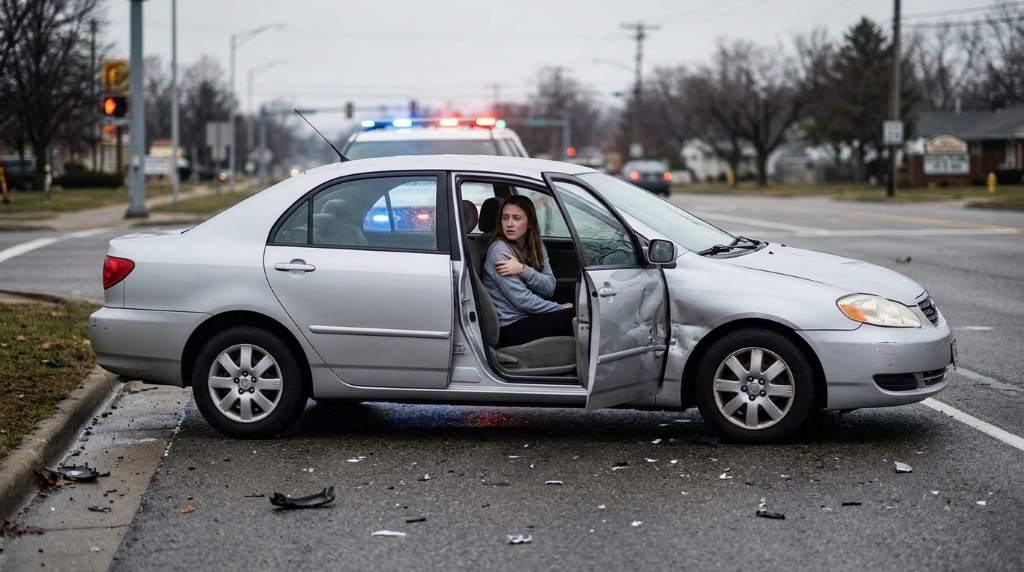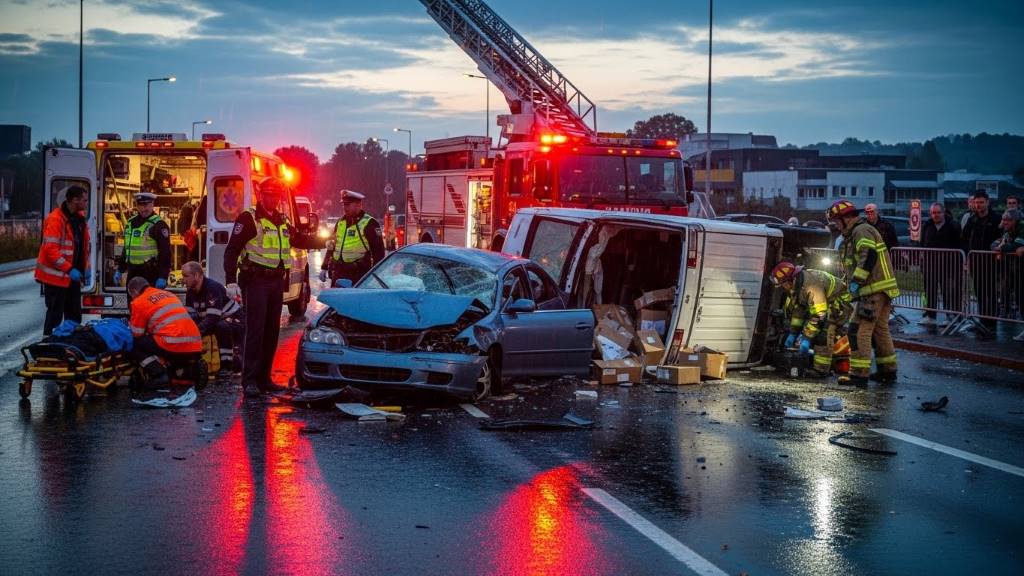

Car crashes shock everyone involved. Imagine you drive without insurance, and a covered motorist slams into you. Fault lies with them, yet your lack of coverage complicates everything. This scenario unfolds often on busy roads.
Government data reveals key facts. The Insurance Information Institute reports that about 13% of drivers remain uninsured in the US as of 2023. Moreover, the National Highway Traffic Safety Administration notes over 6 million police-reported crashes yearly, many mixing insured and uninsured parties. These numbers highlight real risks and urge quick action.
Understanding the Basics of Fault and Coverage
Accidents demand clear fault determination. Police arrive and assess the scene. They write reports that prove crucial later.
Insurance steps in next. The at-fault driver’s policy typically pays for damages. However, uninsured victims face barriers.
Laws vary by state. Most follow fault-based systems. Others use no-fault rules where each party claims from their own insurer.
Uninsured drivers lose direct access. They rely on the other party’s liability coverage. This process slows down recovery.
Legal Rights of an Uninsured Motorist in a Collision
You hold rights even without insurance. The at-fault insured driver must compensate you. Personal injury claims allow pursuit of medical bills and lost wages.
Property damage follows suit. You seek repairs for your vehicle through their policy.
States enforce minimum liability limits. For example, many require 25/50/25 coverage. This means $25,000 per person for injuries, $50,000 per accident, and $25,000 for property.
Yet, penalties hit uninsured drivers hard. Fines, license suspension, and registration revocation occur commonly. Some areas mandate SR-22 filings post-accident.
Courts view your status dimly. Juries might reduce awards due to non-compliance with laws.
Steps to Take Immediately After the Accident
Act fast at the scene. Pull over safely and check for injuries. Call emergency services without delay.
Exchange information next. Get the other driver’s name, contact, license plate, and insurance details. Note witnesses too.
Document everything thoroughly. Take photos of vehicles, damage, road conditions, and injuries. Sketch the scene if possible.
Seek medical help promptly. Even minor aches worsen later. Records build strong cases.
Report to police always. Insist on an official report. This document sways insurance adjusters and courts.
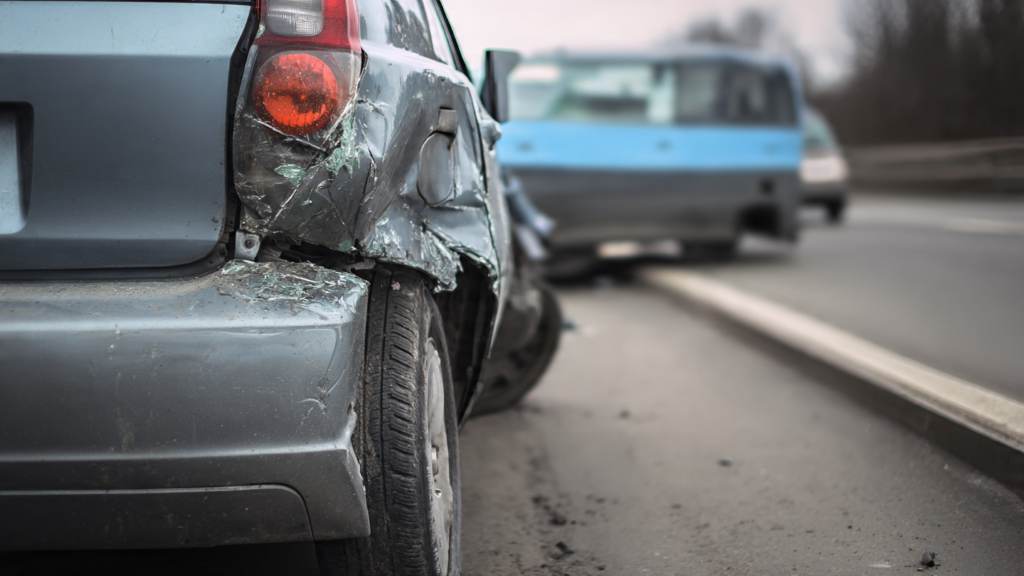
How to File a Claim Against the At-Fault Insured Driver
Start with notification. Contact their insurer soon after the crash. Provide your accident details and evidence.
Gather proof steadily. Collect medical records, repair estimates, and wage loss statements. Photos and witness accounts strengthen claims.
Hire help if needed. Personal injury lawyers guide complex cases. They negotiate on your behalf.
Adjusters evaluate quickly. They review fault and damages. Accept offers only after careful thought.
File within deadlines. Statutes of limitations range from one to six years by state. Miss them, and you lose rights.
Dealing with Your Own Vehicle Damages Without Insurance
Repairs cost you directly. The at-fault party’s property damage coverage pays out. Submit estimates for approval.
Rental cars help sometimes. Their policy might cover temporary rides during fixes.
Totaled vehicles complicate matters. Insurers calculate actual cash value. Payouts go to you, minus any loans.
To save money on insurance, it’s important to shop for repairs wisely. Get multiple quotes from reputable shops and don’t hesitate to negotiate with the insurer for fair amounts. This approach can help you maximize your savings while ensuring quality repairs.
Medical Expenses and Health Coverage Options
Bills pile up fast. Emergency rooms charge thousands. Follow-up care adds more.
Use the at-fault driver’s bodily injury liability. It covers hospital stays, surgeries, and therapy.
Health insurance bridges gaps. Your own policy pays first in some cases. Subrogation allows recovery later.
MedPay exists on some policies. Though you lack it, check the other driver’s add-ons.
Pain and suffering qualify too. Non-economic damages reward trauma and lifestyle changes.
Potential Penalties for Driving Without Insurance
States punish harshly. Fines start at $100 and climb to $1,000 or more. Repeat offenders face jail time.
License suspension lasts months. Reinstatement requires proof of coverage and fees.
Vehicle impound happens often. Retrieval demands payment and insurance.
Future rates skyrocket. High-risk status labels you for years. Premiums double or triple.
Ways to Protect Yourself in Future Accidents
Buy insurance now. Minimum liability prevents disasters. Full coverage adds peace of mind.
Umbrella policies extend limits. They kick in after primary exhaustion.
Defensive driving saves lives. Courses reduce risks and sometimes lower rates.
Emergency funds prepare you. Save for deductibles and gaps.
Common Myths About Uninsured Drivers in Crashes
Myths mislead many. One claims uninsured parties get nothing. Truth shows liability covers valid claims.
Another says police ignore uninsured victims. Officers help all and file reports fairly.
People think lawsuits always fail. Strong evidence wins cases regularly.
Fault shifts blame entirely, some believe. Comparative negligence reduces awards proportionally.
Real-Life Case Studies of Similar Accidents
Consider Sarah’s story. An insured SUV rear-ended her uninsured sedan. She suffered whiplash and car damage.
Sarah gathered evidence meticulously. She filed against the SUV driver’s policy. Settlement covered $15,000 in medical and $8,000 in repairs.
John faced denial initially. The insurer claimed partial fault on him. He hired a lawyer and won $50,000 after trial.
These examples prove action pays. Persistence overcomes lack of coverage.
Comparing State Laws on Uninsured Motorists
Laws differ widely. California mandates proof at registration. Penalties include $100 to $200 fines.
Texas requires 30/60/25 minimums. Uninsured drivers pay up to $1,000 and lose licenses.
Florida uses no-fault. PIP covers regardless, but uninsured face extra hurdles.
New York demands 25/50/10. UM/UIM coverage protects insured against hit-and-runs.
Research your state always. DMV websites provide details.
Role of Uninsured Motorist Coverage for Others
Insured drivers benefit from UM/UIM. It shields against uninsured at-fault parties.
However, in this reverse case, it helps the insured hitter. They claim if underinsured.
You miss this protection. Adding it future-proofs your policy.
Limits match liability often. Stack policies in some states for more.
Negotiating Settlements with Insurance Companies
Prepare thoroughly first. Know your damages inside out. Calculate totals accurately.
Communicate in writing. Emails and letters create records.
Counter low offers firmly. Provide counter-evidence and demands.
Involve mediators if stuck. Neutral parties facilitate agreements.
Accept only fair deals. Rushed signatures regret later.
When to Hire a Personal Injury Attorney
Complex injuries warrant help. Broken bones or long-term disability need experts.
Disputed fault signals lawyers. Insurers deny to save money.
Large claims justify fees. Attorneys take percentages from wins.
Free consultations start processes. Most work on contingency.
Long-Term Impacts on Driving Record and Finances
Accidents linger years. Points add to licenses. Rates increase 40% on average.
Credit scores dip sometimes. Unpaid bills from crashes hurt.
Job losses occur with injuries. Wage claims recover some.
Rebuild step by step. Consistent payments and safe driving help.
Preventing Accidents as an Uninsured Driver
Drive defensively always. Keep distances and obey speeds.
Maintain vehicles regularly. Brakes and tires prevent failures.
Avoid distractions fully. Phones wait until stops.
Plan routes ahead. Familiar paths reduce errors.
Alternatives to Traditional Auto Insurance
Non-standard policies exist. High-risk insurers cover bad records.
Pay-as-you-go options track miles. Lower usage means lower costs.
Public transport reduces needs. Buses and trains avoid risks.
Carpools share burdens. Friends split driving duties.
Emotional Toll of Being in an Accident Without Coverage
Stress overwhelms quickly. Worry about bills and repairs mounts.
Anxiety affects sleep. Professional counseling eases burdens.
Support networks matter. Family and friends provide lifts and ears.
Recovery takes time. Patience heals minds and bodies.
Conclusion
Navigating crashes without insurance challenges anyone. Yet, the at-fault insured driver’s policy offers paths to recovery. Gather evidence, file claims promptly, and seek professional help when needed. Protect future drives with proper coverage.
Act today. Check your state’s insurance requirements and get quoted. Safe roads start with preparation.
FAQs
What happens if an uninsured driver gets hit by someone with insurance?
The insured at-fault party covers damages through liability. You file claims for injuries and repairs, but face personal penalties for no coverage.
Can I sue the insured driver who hit me if I’m uninsured?
Yes, lawsuits pursue compensation. Prove negligence and damages in court for medical, property, and pain awards.
Do I need a lawyer as an uninsured accident victim?
Complex cases benefit from attorneys. They handle negotiations, evidence, and maximize settlements on contingency.
How do penalties work for uninsured drivers after a crash?
Fines, suspensions, and impounds apply. States vary, but proof of future insurance often reinstates privileges.
Does health insurance cover me if uninsured for auto?
Personal health plans pay medical bills. Subrogation recovers from the at-fault insurer later.
References
- https://www.ii.org/fact-statistic/facts-statistics-uninsured-motorists
- https://www.nhtsa.gov/press-releases/nhtsa-releases-2022-traffic-crash-data
- https://www.dmv.ca.gov/portal/vehicle-registration/insurance-requirements/
- https://www.tdi.texas.gov/consumer/auto-insurance.html