
Making an unprotected left turn at an intersection can be daunting, especially when traffic speed is hard to gauge. This maneuver requires sharp observation, quick decision-making, and confidence to execute safely. Judging traffic speed accurately is critical to avoid collisions and ensure smooth driving. This guide will educate you on essential techniques, demonstrate practical steps, and fascinate you with insights to master unprotected left turns. Whether you’re a new driver or refining your skills, understanding how to assess oncoming traffic speed is key to safe navigation. According to the National Highway Traffic Safety Administration (NHTSA), left-turn crashes account for 22% of intersection accidents, highlighting the importance of this skill (Source: NHTSA Crash Stats). By following these strategies, you’ll gain the tools to make informed decisions and drive with ease.
Understanding the Basics of Unprotected Left Turns
An unprotected left turn occurs when a driver must yield to oncoming traffic without a green arrow signal. This situation demands precise judgment of traffic speed and distance to avoid risky maneuvers. Unlike protected turns, where a green arrow grants priority, unprotected turns rely on the driver’s ability to assess gaps in traffic. Hesitation or misjudgment can lead to dangerous situations, especially at busy intersections. The challenge lies in evaluating how fast oncoming vehicles are moving and whether there’s enough time to cross safely.
To judge traffic speed effectively, drivers must consider factors like road conditions, visibility, and vehicle types. For instance, larger vehicles like trucks may appear slower due to their size, but their momentum can make stopping difficult. A 2021 study by the Federal Highway Administration (FHWA) found that 61% of left-turn crashes involve misjudged gaps. Practicing observation and timing can reduce these risks, ensuring safer decisions at intersections.
Key Factors Influencing Traffic Speed Judgment
Several elements affect how drivers perceive and judge traffic speed during unprotected left turns. Road conditions, such as wet or icy surfaces, can alter vehicle speeds and stopping distances. Visibility, including weather or time of day, also plays a role. For example, at dusk, headlights may make it harder to gauge speed accurately. Additionally, the type of vehicle—cars, motorcycles, or heavy trucks—impacts perception, as smaller vehicles often appear faster.
Another factor is the driver’s position and angle at the intersection. A slight turn into the intersection can improve visibility but requires caution to avoid encroaching into oncoming lanes. Personal experience taught me this lesson: once, while attempting a left turn at a busy intersection, I misjudged an oncoming truck’s speed due to poor lighting. Since then, I’ve learned to wait for clearer gaps. Understanding these factors helps drivers anticipate challenges and make safer choices when navigating unprotected turns.
Step-by-Step Guide to Judging Traffic Speed
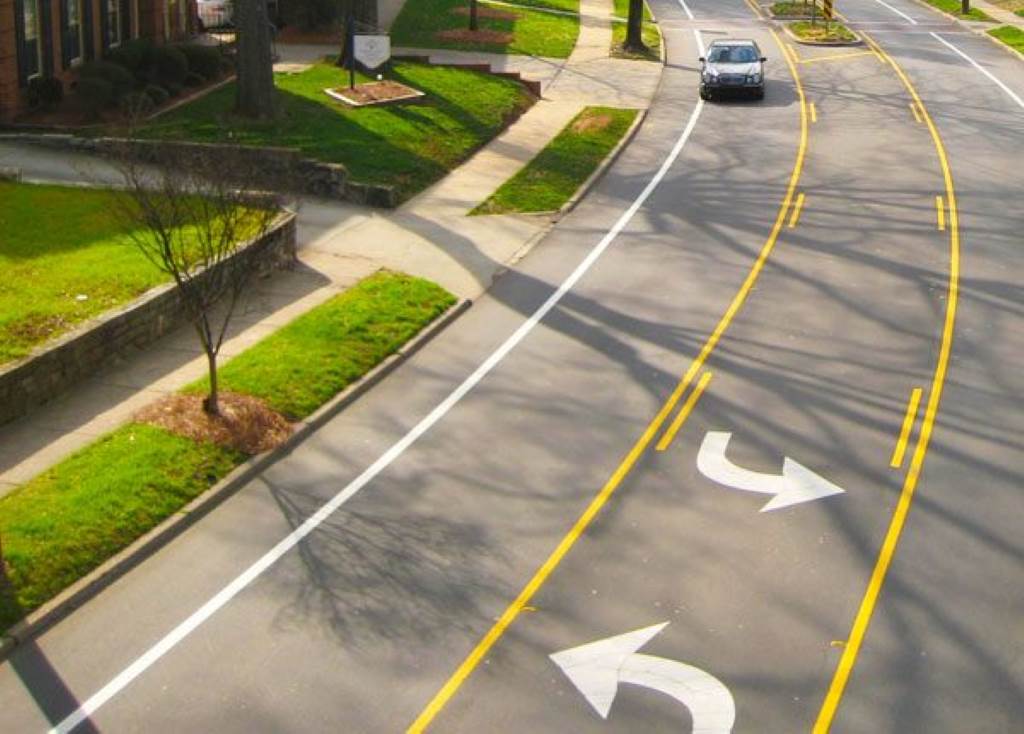
Judging traffic speed for unprotected left turns involves a systematic approach. Follow these steps to improve accuracy and safety:
- Observe Oncoming Traffic: Focus on the lead vehicle’s movement and estimate its speed based on road signs or typical patterns.
- Estimate Distance and Time: Use landmarks, like road signs or trees, to gauge how far vehicles are and how long they’ll take to reach you.
- Check for Gaps: Look for a gap of at least 6–8 seconds to safely complete the turn, accounting for your vehicle’s acceleration.
- Assess Vehicle Types: Recognize that larger vehicles may take longer to stop, while smaller ones may approach faster.
- Confirm with a Second Look: Double-check traffic in both directions before turning to avoid surprises.
Practicing these steps builds confidence. For example, when I started driving, I used nearby poles to estimate gaps, which helped me time turns better. Consistent practice refines this skill over time.
Common Mistakes to Avoid When Judging Traffic Speed
Misjudging traffic speed can lead to dangerous errors. Here are common mistakes and how to avoid them:
- Rushing the Turn: Impatience can lead to turning before the gap is safe. Always wait for a clear 6–8-second window.
- Focusing Only on Oncoming Traffic: Ignoring cross-traffic or pedestrians can cause collisions. Scan all directions.
- Misjudging Vehicle Speed: Assuming all vehicles travel at the posted speed limit is risky. Observe their actual movement.
- Poor Positioning: Staying too far back in the intersection limits visibility. Creep forward cautiously for a better view.
A 2020 NHTSA report noted that 30% of left-turn crashes stem from misjudging speed or distance. By avoiding these errors, drivers can significantly reduce risks. I once rushed a turn, underestimating a car’s speed, and narrowly avoided a collision. This experience underscored the need for patience and thorough observation.
Read Also:
- What Are Your Rights If the Other Driver Doesn’t Have Insurance?
- Denied by Insurance? Steps to Take After a Rejected Car Accident Claim in the UK
- 5 Legal Protections Every Car Accident Victim Should Understand
Tips for Improving Traffic Speed Judgment Skills
Enhancing your ability to judge traffic speed takes practice and awareness. Here are practical tips to help:
- Practice in Low-Traffic Areas: Start at quieter intersections to build confidence in gauging speed and distance.
- Use Reference Points: Landmarks like signs or lane markings can help estimate vehicle distances and closing times.
- Drive During Different Conditions: Practice in various weather and lighting conditions to understand their impact on perception.
- Take a Defensive Driving Course: These courses teach advanced observation techniques for safer decision-making.
- Stay Calm and Focused: Anxiety can cloud judgment. Take deep breaths to stay composed at busy intersections.
Regular practice sharpens these skills. For instance, I improved by practicing at a nearby low-traffic intersection, using trees as distance markers. Over time, my confidence in judging gaps grew. Resources like the FHWA’s driver safety guides can further enhance skills.
The Role of Technology in Judging Traffic Speed
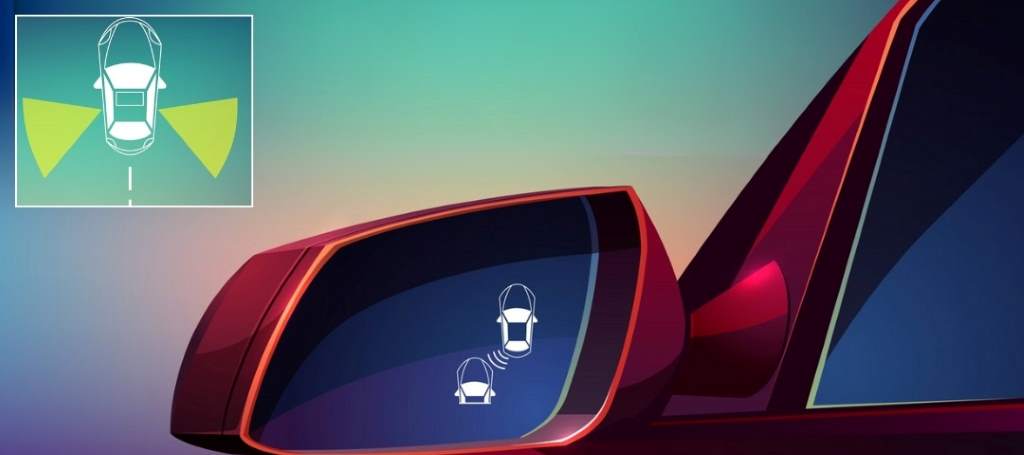
Modern vehicles offer tools to assist with unprotected left turns. Features like radar-based collision warnings and cross-traffic alerts can supplement human judgment. For example, adaptive cruise control systems use sensors to estimate oncoming vehicle speeds, providing real-time data. However, these technologies aren’t foolproof and should complement, not replace, driver awareness.
Despite their benefits, over-reliance on technology can dull observational skills. A 2022 FHWA study found that drivers using assistive systems were 15% less likely to misjudge gaps but still needed manual confirmation. When I drove a car with a cross-traffic alert, it helped me spot a fast-approaching vehicle I’d missed. Combining technology with active observation ensures safer turns, especially in complex traffic scenarios.
Fascinating Facts About Traffic Speed and Human Perception
Human perception of traffic speed is surprisingly complex. The brain processes visual cues, like vehicle size and motion, to estimate speed, but it’s prone to errors. For instance, vehicles approaching head-on appear slower than those moving laterally, a phenomenon called motion parallax. Additionally, brighter colors, like red or yellow, can make cars seem closer, affecting judgment.
Fascinatingly, studies show that experienced drivers are 20% better at judging gaps due to learned visual cues, per a 2021 FHWA report. This highlights the power of practice. I recall marveling at how my driving instructor effortlessly gauged speeds, a skill I later developed through repetition. Understanding these perceptual quirks can make drivers more cautious and precise when navigating unprotected left turns.
FAQs
How Can I Tell If a Gap Is Safe for a Left Turn?
A safe gap is typically 6–8 seconds, allowing enough time to cross and accelerate. Use landmarks to estimate distance and confirm with a second look.
What Should I Do If I Misjudge Traffic Speed?
If you start a turn and realize the gap is too small, stop safely in the intersection and wait for another opportunity. Avoid rushing.
How Does Weather Affect Traffic Speed Judgment?
Rain, fog, or low light reduces visibility, making speed harder to gauge. Drive slower and increase gap times in poor conditions.
Can Technology Fully Replace Human Judgment for Left Turns?
No, technology like sensors helps but isn’t perfect. Always combine it with active observation to ensure safety.
How Can New Drivers Practice Judging Traffic Speed?
Start at low-traffic intersections, use reference points like signs, and practice in varied conditions to build confidence.
Conclusion
Judging traffic speed for unprotected left turns is a vital skill for safe driving. By understanding key factors, following a step-by-step approach, and avoiding common mistakes, drivers can navigate intersections with ease. Practice, patience, and awareness are essential to mastering this maneuver. Tools like vehicle sensors can help, but human judgment remains crucial. Fascinating insights into perception highlight the importance of experience in refining this skill. With consistent practice, you’ll turn confidently and safely. Share your experiences or tips in the comments below, or pass this guide along to help others drive smarter!