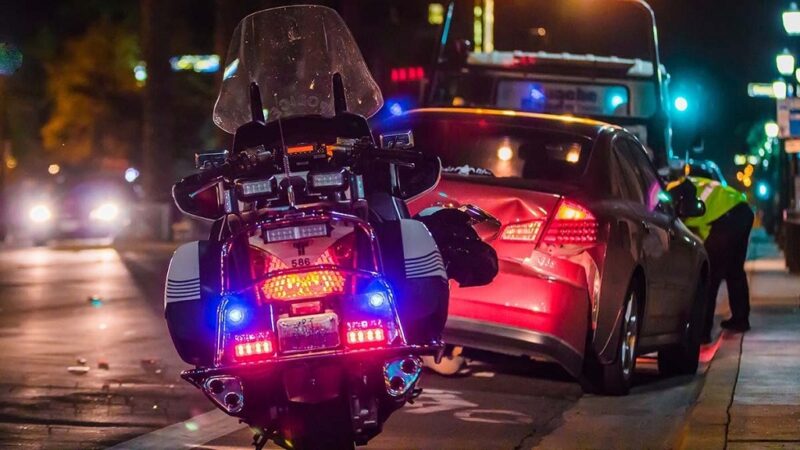

When discussing legal principles surrounding car accidents, one term that often arises is vicarious liability. This doctrine holds individuals or entities legally responsible for the actions of others under certain circumstances. In the context of car accidents, vicarious liability can significantly impact the determination of responsibility for damages and the handling of insurance claims. Understanding this concept is crucial for both accident victims and legal professionals, as it can greatly influence the outcome of a case.
Understanding Vicarious Liability
Vicarious liability is a legal principle that assigns responsibility to a party that did not directly commit the wrongful act but had a specific relationship with the person who did. In car accidents, this relationship is typically between employers and employees, parents and their children, or vehicle owners and drivers.
The rationale behind vicarious liability is to ensure that injured parties have a reliable source of compensation. It recognizes that certain parties, such as employers or vehicle owners, are in a better financial position to bear the costs of damages and are indirectly responsible for the actions of those under their supervision.
Common Scenarios of Vicarious Liability in Car Accidents
Employer-Employee Relationships
One of the most common applications of vicarious liability in car accidents involves employers and their employees. If an employee causes a car accident while performing job-related duties, the employer may be held liable for the resulting damages. For instance, if a delivery driver causes a collision while making deliveries, the employer could be responsible for compensating the victims.
However, it is essential to distinguish between job-related activities and personal errands. If the employee was driving for personal reasons unrelated to work, vicarious liability may not apply.
Vehicle Owners and Permissive Drivers
Another common scenario involves vehicle owners who allow others to drive their cars. If the driver causes an accident, the vehicle owner may be held vicariously liable. This is because vehicle owners have a responsibility to ensure that they entrust their cars to competent and responsible drivers.
Parents and Minor Drivers
In some jurisdictions, parents can be held vicariously liable for accidents caused by their minor children. This liability is based on the idea that parents have a duty to supervise their children and ensure they drive safely.
The Impact of Vicarious Liability on Auto Insurance
Insurance Coverage Implications
Vicarious liability can significantly impact how auto insurance claims are processed. When an employer, vehicle owner, or parent is held vicariously liable, their insurance policy may be used to cover the damages. This can include liability coverage for property damage, medical expenses, and other related costs.
Employer Liability Insurance
Employers often carry commercial auto insurance or business liability insurance to protect against claims arising from employee accidents. These policies typically provide higher coverage limits than standard personal auto insurance policies, ensuring adequate compensation for accident victims.
Vehicle Owner Liability Coverage
For vehicle owners, liability coverage is a crucial component of their auto insurance policy. If a permissive driver causes an accident and they are found vicariously liable, their insurance policy will generally cover the damages up to the policy limits.
Parental Responsibility and Insurance
Parents may need to add their teenage drivers to their auto insurance policies to ensure adequate coverage. In cases where parents are held vicariously liable for an accident caused by their child, the insurance policy will typically cover the damages.

Best Legal Advice for Car Accident Victims
Document Everything
After a car accident, it is essential to document as much information as possible. This includes taking photos of the accident scene, collecting contact information from witnesses, and obtaining a copy of the police report.
Seek Medical Attention
Even if injuries seem minor, it is crucial to seek medical attention immediately. Some injuries may not become apparent until days or weeks after the accident.
Consult an Experienced Car Accident Lawyer
Navigating the complexities of vicarious liability and auto insurance can be challenging. It is essential to consult an experienced car accident lawyer to protect your rights and ensure you receive the compensation you deserve.
Understand Insurance Coverage
Review your insurance policy to understand the coverage limits and any exclusions that may apply. This will help you make informed decisions when filing a claim.
Avoid Speaking to Insurance Adjusters Without Legal Representation
Insurance adjusters may attempt to minimize your claim or obtain statements that could be used against you. It is best to consult with your lawyer before speaking to them.
Reviews of Legal Experts on Vicarious Liability in Car Accidents
Legal experts emphasize the importance of understanding vicarious liability and its implications for car accident cases. According to Attorney John Smith, “Many accident victims are unaware that they can pursue claims against parties other than the at-fault driver. Vicarious liability can open up additional avenues for compensation.”
Attorney Jane Doe adds, “Employers and vehicle owners must recognize their potential liability and ensure that they have adequate insurance coverage. This not only protects accident victims but also mitigates financial risks for the liable parties.”
Frequently Asked Questions (FAQs)
What is vicarious liability?
Vicarious liability is a legal principle that holds one party responsible for the actions of another due to a specific relationship, such as employer-employee or vehicle owner-driver.
How does vicarious liability apply to car accidents?
In car accidents, vicarious liability applies when an employer takes responsibility for an accident an employee causes or when a vehicle owner assumes liability for an accident a permissive driver causes.
Can parents actively hold vicarious liability for their children’s car accidents?
Yes, in some jurisdictions, parents actively bear vicarious liability for accidents their minor children cause.
How does vicarious liability impact auto insurance claims?
When vicarious liability applies, the insurance policy of the responsible party (employer, vehicle owner, or parent) may cover the damages resulting from the accident.
What should I do if I am in a car accident where vicarious liability may apply?
It is essential to document the accident, seek medical attention, and consult an experienced car accident lawyer to understand your legal options and navigate the insurance claims process.
What type of insurance coverage protects against vicarious liability claims?
Employers typically carry commercial auto insurance or business liability insurance. Vehicle owners rely on liability coverage in their personal auto insurance policies, while parents should ensure they adequately cover their teenage drivers under their policies.
Conclusion
Vicarious liability plays a critical role in car accident cases, influencing both legal outcomes and insurance claims. Understanding this legal doctrine and its implications is essential for accident victims, employers, vehicle owners, and parents. By seeking expert legal advice and ensuring adequate insurance coverage, parties can navigate the complexities of vicarious liability and protect their financial interests.
Read More: Understanding Car Insurance Requirements for Ride-Sharing Drivers