
Auto insurance is an essential safeguard for anyone who owns a car. It provides financial protection in case of accidents, theft, or damage to your vehicle. However, many car owners are unaware of the limitations and exclusions within their auto insurance policies. These exclusions can lead to unexpected out-of-pocket expenses when a claim is denied. In this article, we will uncover the common exclusions found in auto insurance policies, explore why they exist, and offer tips on how to avoid these pitfalls.
-
Exclusion for Unlisted Drivers
Auto insurance policies commonly exclude coverage for drivers who are not listed on the policy. When purchasing auto insurance, the insurer asks for the names of all individuals who might drive the vehicle. If someone who is not on the list drives your car and gets into an accident, the insurance may not cover the damages.
Why It Matters: The exclusion for unlisted drivers is crucial because insurance companies typically assess risk based on the driving history and habits of listed drivers. If someone with a poor driving record uses your vehicle, the insurer may consider that a higher risk, and without prior knowledge, they may refuse the claim.
Example: Imagine lending your car to a friend who isn’t listed on your policy. If they get into an accident, your insurer may refuse to pay for the damages, leaving you financially liable.
Tip: Always ensure that all potential drivers are listed on your policy. If someone else needs to drive your car temporarily, it’s better to add them as a temporary driver rather than risk denial of coverage.
-
Exclusion for Intentional Damage
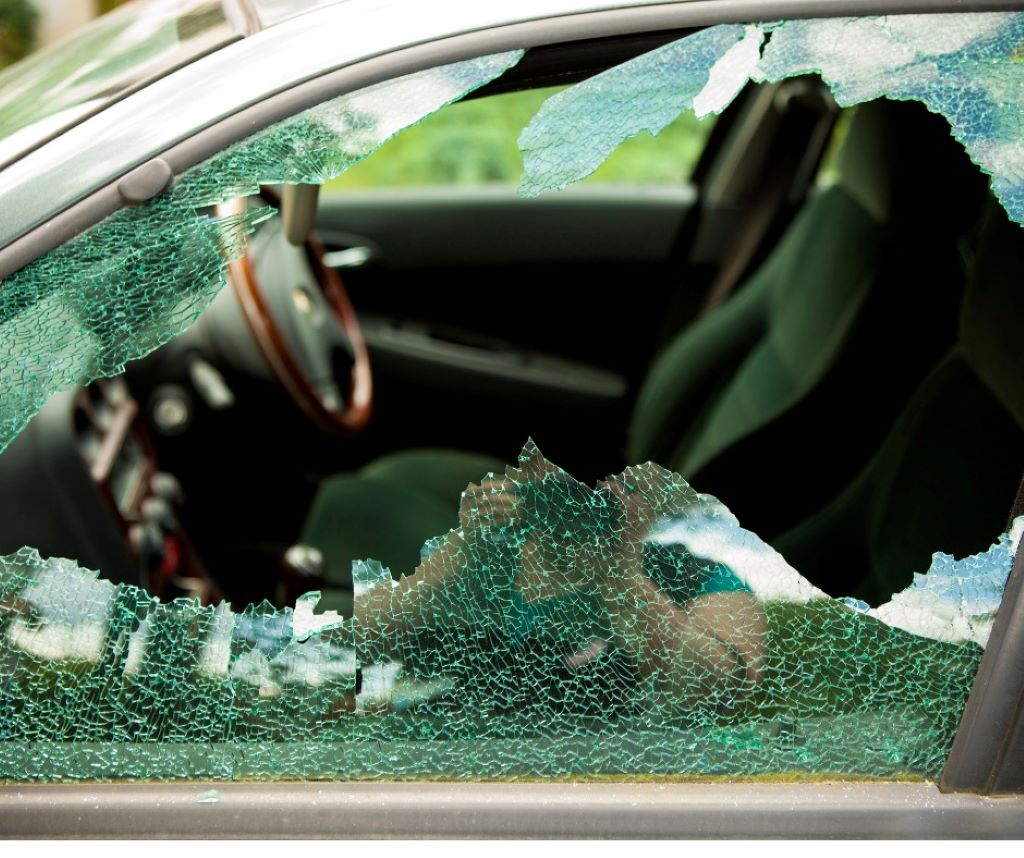
Auto insurance is designed to cover accidents and incidents that occur unintentionally. However, if damage to your vehicle is caused intentionally—whether by the driver or someone else—it is not covered under most policies. This includes things like vandalism or reckless driving that results in vehicle damage.
Why It Matters: Insurance is built to protect against unpredictable, uncontrollable events. If you or another person deliberately damage your car, it goes against the principles of the contract, and most insurers will exclude coverage for intentional damage.
Example: If a disgruntled individual purposely damages your car, your insurer will not cover the repair costs under the typical auto insurance policy.
Tip: Ensure that you’re covered for vandalism through comprehensive coverage, which may offer some protection in case of malicious damage, but only if it’s unintentional.
-
Exclusion for Mechanical Failures
Auto insurance generally does not cover damages arising from mechanical failures or wear-and-tear. These issues—such as engine failure, worn-out brakes, or a broken transmission—are not typically seen as accidents. Even if your car’s mechanical failure leads to an accident, your policy may not cover the repair or replacement of the vehicle.
Why It Matters: Mechanical failures are a common cause of accidents, but insurers classify them as maintenance issues rather than accidents. If you fail to maintain your car properly, the insurer may refuse your claim.
Example: If your car’s brakes fail due to lack of maintenance, causing an accident, your insurer will not cover the damage to your car, and you will be responsible for the repairs.
Tip: Regular vehicle maintenance is key to avoiding mechanical issues. Always adhere to your car’s recommended service schedule and keep maintenance records to protect yourself in case of a claim.
-
Exclusion for Off-Road Driving
Many auto insurance policies have exclusions for off-road driving. If you take your car off-road for recreational purposes, your policy may not cover any damages or accidents that occur during these activities. This includes off-roading, driving in rugged terrains, or participating in motorsport activities.
Why It Matters: Off-road driving poses significant risks to vehicles, especially if the terrain is rough or the vehicle is not designed for such conditions. Insurers exclude this coverage due to the increased likelihood of accidents in these environments.
Example: Driving your SUV off-road on an unapproved trail could lead to suspension damage. If you need to make a claim, your insurer may deny it due to the off-road exclusion in your policy.
Tip: If you plan to engage in off-road driving regularly, consider purchasing specialized off-road insurance that covers these activities. Otherwise, avoid off-road driving with your primary vehicle to ensure full coverage.
-
Exclusion for Driving Under the Influence
If you are caught driving under the influence of alcohol or drugs (DUI/DWI), your insurance coverage will likely be voided, and any claims you file may be denied. DUI exclusions are common in most auto insurance policies, as driving under the influence is illegal and poses a significant risk.
Why It Matters: Insurers will not cover damages resulting from illegal activities. A DUI or DWI often leads to serious accidents, and insurers do not want to encourage this behavior by providing coverage.
Example: If you’re involved in an accident while under the influence, the insurer will deny your claim, and you may also face legal and financial penalties, including increased insurance premiums.
Tip: Avoid driving under the influence at all costs. If you’re convicted of a DUI, consider taking steps to improve your driving record, such as attending alcohol education classes, to prevent long-term insurance consequences.
-
Exclusion for Racing or Speeding
Racing and excessive speeding are two activities that can result in automatic exclusions under most auto insurance policies. If you participate in a race or attempt to exceed speed limits by a significant margin, your insurer may consider the actions too risky, thus voiding your coverage.
Why It Matters: Racing and speeding dramatically increase the likelihood of an accident. Insurance companies classify these activities as high-risk and generally exclude coverage for any accidents resulting from such behavior.
Example: If you participate in an unauthorized race and crash your car, the insurance company will likely refuse to pay for the damages, leaving you responsible for the costs.
Tip: Avoid racing or speeding, especially in public spaces. If you are serious about motorsports, consider getting a specialized motorsport insurance policy for proper coverage.
-
Exclusion for Natural Disasters in Certain Areas
While many auto insurance policies offer protection for natural disasters, not all policies cover every type of disaster. In some regions, certain natural events, such as floods, hurricanes, or earthquakes, may be excluded from standard auto insurance policies. This is particularly true if you live in a region prone to these types of events.
Why It Matters: Insurance companies base their exclusions on the frequency and severity of specific natural disasters in a given region. Some areas may have higher premiums due to the likelihood of events like flooding or earthquakes.
Example: If you live in a flood-prone area and do not purchase comprehensive coverage that includes flood damage, your insurer will not cover damages from a flood.
Tip: If you live in a disaster-prone area, it’s wise to review your policy and consider adding flood or earthquake coverage if it is not already included.
Featured Snippet: What Are the Common Exclusions in Auto Insurance?
Common exclusions in auto insurance policies include damages caused by unlisted drivers, intentional acts, mechanical failures, off-road driving, driving under the influence, racing, and natural disasters. Insurers actively design these exclusions to limit coverage for high-risk activities and lower the overall cost of insurance. Policyholders must understand these exclusions and confirm they have suitable coverage for their specific needs.
Professional Tips for Avoiding Auto Insurance Exclusions:
- Regular Maintenance: Keep your car well-maintained to avoid mechanical failures that could lead to exclusions.
- Properly List Drivers: Make sure you list all drivers on your policy to avoid exclusions for unlisted drivers.
- Invest in Comprehensive Coverage: If you live in an area prone to natural disasters, invest in comprehensive coverage that includes flood or earthquake protection.
- Avoid High-Risk Activities: Racing, off-road driving, and speeding are high-risk activities that can lead to policy exclusions.
- Educate Yourself: Always read your policy thoroughly to understand what covers and doesn’t cover.
Frequently Asked Questions (FAQs)
-
What is the most common exclusion in auto insurance?
The most common exclusion is for unlisted drivers. If someone not listed on your policy drives your vehicle and causes an accident, the insurer may refuse to pay for damages.
-
Does my policy cover natural disasters?
Some policies do, but not all. You may need to add specific coverage for events like floods, earthquakes, or hurricanes, depending on your location.
Yes, most policies exclude coverage for accidents that happen while racing or engaging in high-speed activities.
-
Will my auto insurance cover mechanical failures?
No, auto insurance generally does not cover damages caused by mechanical failure or wear-and-tear.
-
Does my policy cover driving under the influence?
No, most policies exclude coverage if you are driving under the influence of alcohol or drugs.
-
What happens if I lend my car to someone not on my policy?
If an unlisted driver causes an accident, your insurance might not cover the damage, and you could face financial responsibility.
-
Can I add coverage for off-road driving?
Yes, if you plan to use your vehicle for off-road activities, consider purchasing specialized off-road insurance to ensure coverage.
In conclusion, while auto insurance provides crucial protection, it’s vital to be aware of the common exclusions in your policy. If you do not properly understand and address these exclusions, they can have significant financial consequences. You can avoid surprises and ensure full coverage by maintaining regular vehicle maintenance, listing all potential drivers, and carefully reading your policy.
Read More: What is Vicarious Liability in the Context of Car Accidents?