
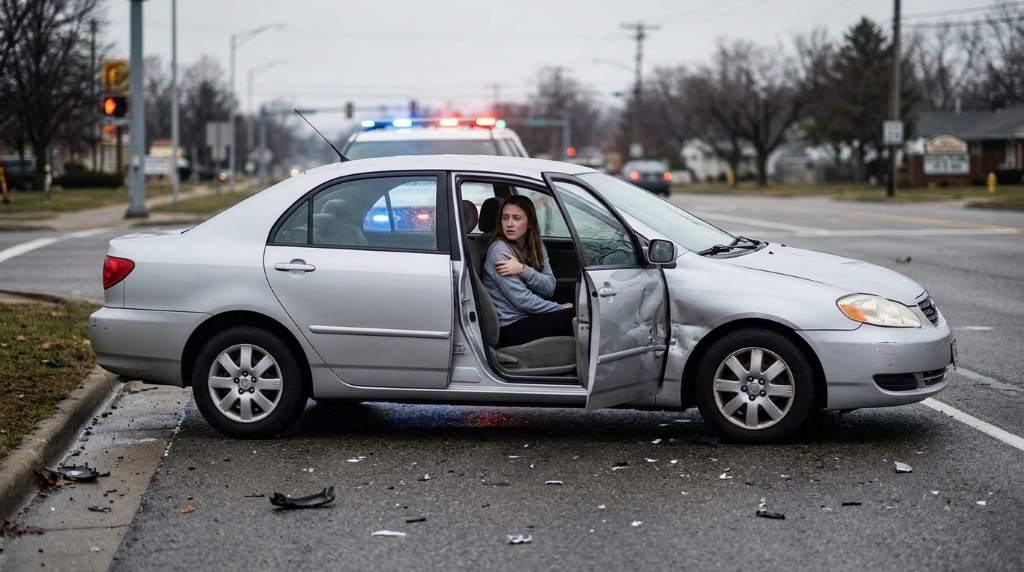
Yes, you can usually file an injury claim if you were a passenger in your friend’s car during an accident. Your right to seek compensation depends on the crash details, insurance coverage, and state laws. Understanding your legal options early helps protect your health and financial recovery.
Every year, millions of people suffer injuries in vehicle crashes across the country. According to federal traffic safety data, passenger vehicle occupants represent a large percentage of reported injury victims. Medical costs, lost wages, and ongoing treatment often create financial stress after an accident. Therefore, knowing your legal rights can help you recover fair compensation without unnecessary delays.
Understanding Your Rights as an Injured Passenger
Passengers rarely cause vehicle accidents because they usually have no control over driving decisions. Therefore, injured passengers often have stronger legal claims than drivers involved in the collision. You can also start a car injury claim soon after gathering important evidence.
Your injury claim may involve your friend’s insurance policy, another driver’s policy, or both. However, the responsible insurance company depends on who caused the crash. An attorney can evaluate liability before negotiations begin.

Who Pays for a Passenger’s Injury Claim?
Insurance companies first investigate the accident before deciding who should cover your damages. Consequently, more than one insurer may share responsibility when multiple drivers contributed to the collision. Several insurance policies sometimes apply simultaneously.
Your Friend Caused the Accident
If your friend caused the crash, their liability insurance generally covers your injuries. Filing a claim targets the insurance company instead of your personal friendship. Most policies exist specifically for situations like this.
Another Driver Caused the Accident
When another driver caused the collision, you usually file a claim against that driver’s insurer. The insurance company should compensate eligible medical expenses, income losses, and pain. Strong evidence increases your negotiating position.
Both Drivers Shared Fault
Sometimes investigators determine that both drivers contributed to the accident. Consequently, both insurance companies may share financial responsibility based on comparative fault rules. Each state follows its own legal standards.
What Compensation Can an Injured Passenger Receive?
Most successful claims include both financial losses and personal damages. You may also find lawyer car accident no injury resources if liability questions become complicated. Early legal guidance often prevents costly mistakes.
You may recover compensation for several types of damages, including:
- Emergency medical treatment
- Hospital and surgery expenses
- Physical therapy costs
- Prescription medication expenses
- Future medical care
- Lost wages
- Reduced earning capacity
- Pain and suffering
- Emotional distress
- Permanent disability
- Loss of quality of life
The exact amount depends on injury severity, available insurance coverage, and supporting evidence. Every claim receives an individual evaluation based on documented losses. Settlement values therefore differ significantly.
Steps to Take After the Accident
Quick action strengthens your injury claim and preserves valuable evidence. You can also review strategies to maximize your personal injury compensation before accepting any settlement offer. Preparation often improves claim outcomes.
Follow these practical steps after the accident:
- Call emergency services immediately.
- Receive medical treatment without delay.
- Request a police accident report.
- Take photographs of injuries and vehicles.
- Collect witness contact information.
- Keep all medical records and bills.
- Avoid discussing fault publicly.
- Notify the relevant insurance company.
- Consult a qualified personal injury attorney.
Can You Sue Your Friend?
Many passengers worry about damaging personal relationships after filing a claim. Fortunately, most injury claims seek payment from insurance companies instead of personal bank accounts. Liability insurance exists to protect both drivers and injured victims.
Serious injuries sometimes exceed available insurance limits. In those situations, additional legal options may become necessary depending on state laws. An experienced attorney can explain realistic possibilities.
What Happens in No Fault States?
Several states follow no fault insurance systems for certain vehicle accidents. Initially, your own personal injury protection coverage may pay qualifying medical expenses. Additional lawsuits remain possible when injuries meet legal thresholds.
Each state applies different rules regarding serious injuries and compensation limits. Therefore, local legal advice becomes especially valuable after significant accidents. State specific guidance prevents unnecessary claim delays.
Can You File a Claim Without Serious Injuries?
Yes, minor injuries may still qualify for compensation when supported by medical documentation. Small injuries sometimes become long term conditions without prompt treatment. Early evaluation protects both your health and legal claim.
Insurance companies often question delayed medical treatment after accidents. Therefore, scheduling an immediate examination strengthens the connection between your injuries and the collision. Consistent treatment records also improve credibility.
Common Challenges During Passenger Injury Claims
Insurance adjusters may attempt to reduce settlement values through different negotiation tactics. They sometimes question injury severity, treatment necessity, or existing medical conditions. Preparation helps counter these arguments effectively.
Common claim challenges include:
- Disputed accident liability
- Delayed medical treatment
- Incomplete documentation
- Low settlement offers
- Insurance policy limitations
- Conflicting witness statements
- Comparative negligence disputes
How Long Do You Have to File a Claim?
Every state establishes a legal deadline called the statute of limitations. Missing that deadline may permanently eliminate your right to recover compensation. Acting early protects important legal rights.
Insurance claims should begin quickly even when lawsuits remain months away. Important evidence disappears over time, and witnesses may forget key details. Prompt action strengthens your overall case.
Should You Hire a Personal Injury Lawyer?
Minor claims sometimes settle without legal representation. However, serious injuries, disputed liability, or multiple insurance companies often require experienced legal assistance. Professional guidance reduces costly mistakes throughout the claims process.
Many personal injury attorneys work on contingency fees. That arrangement usually means you pay attorney fees only after receiving compensation. This structure improves access to legal representation.
Conclusion
Passengers injured in a friend’s vehicle often have the legal right to pursue compensation through applicable insurance policies. Acting quickly, preserving evidence, and receiving medical care greatly improve your chances of a successful claim.
If you suffered injuries after a vehicle accident, speak with a qualified personal injury attorney before accepting any settlement. Professional guidance helps protect your rights and improves your opportunity for fair financial recovery.
Frequently Asked Questions
Can I file a claim even if my friend was driving?
Yes, you can usually file a claim against your friend’s insurance without personally suing them.
Do I need medical records to support my claim?
Yes, medical records provide essential evidence linking your injuries to the accident.
Can multiple insurance companies pay my claim?
Yes, multiple insurers may share responsibility when more than one driver caused the crash.
Will filing a claim ruin my friendship?
Most claims are handled by insurance companies rather than your friend’s personal finances.
Should I accept the first settlement offer?
No, review every settlement carefully because initial offers may not reflect your full losses.


