
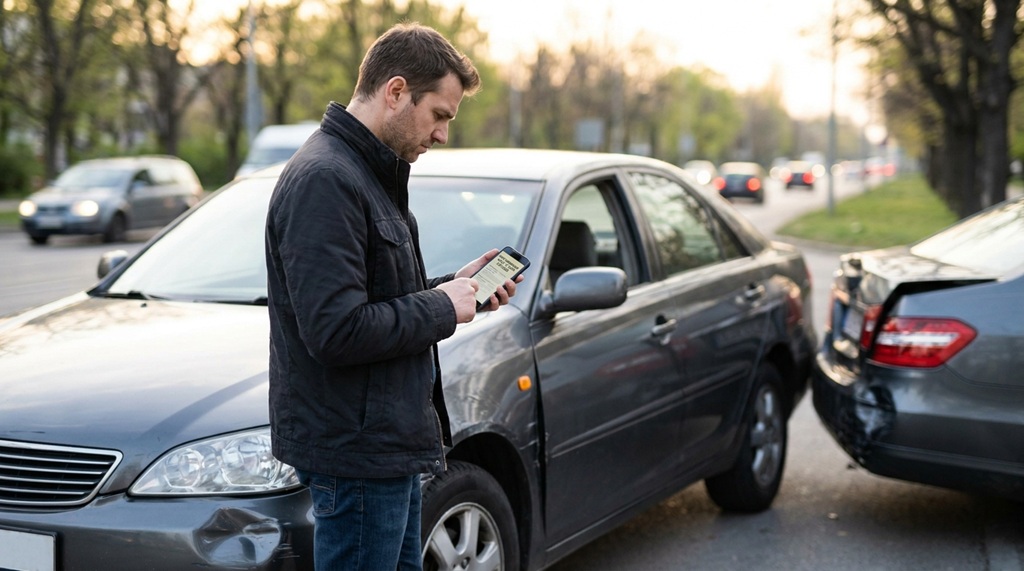
Auto insurance typically covers vehicle repairs, medical bills, and liability costs after a crash, but the exact coverage depends on your policy type. Many drivers assume their policy covers everything until they file a claim and discover gaps. That confusion often leads to denied claims or unexpected out-of-pocket costs.
This guide breaks down exactly what your policy covers after an accident, what it likely excludes, and how to avoid common claim mistakes. Whether you carry minimum coverage or a full policy, you’ll walk away knowing what to expect.
Types of Auto Insurance Coverage Explained
Your policy likely includes several distinct types of coverage, and each one applies to different situations after a crash. Understanding these categories helps you know what to expect before you ever file a claim.
Liability Coverage
Liability coverage pays for the other driver’s damages when you cause an accident. It splits into two parts: bodily injury liability and property damage liability. Most states require drivers to carry a minimum amount, though state minimums often fall short of actual accident costs.
Collision Coverage
Collision coverage pays to repair or replace your own vehicle after a crash, regardless of fault. This coverage applies whether you hit another car, a tree, or a guardrail. It’s optional in most states, but lenders usually require it if you’re financing or leasing your vehicle.
Comprehensive Coverage
Comprehensive coverage handles damage from non-collision events like theft, vandalism, fire, or hitting an animal. While it doesn’t directly apply to most crash scenarios, it often gets bundled with collision coverage in a standard policy.
Uninsured/Underinsured Motorist Coverage
This coverage protects you when the at-fault driver has no insurance or not enough to cover your damages. Industry experts note that a significant percentage of drivers on the road carry no insurance at all, making this coverage especially valuable.
What Auto Insurance Covers for Vehicle Damage
Insurance generally covers repair costs, towing, and sometimes a rental car after a crash, depending on your specific coverage selections. Here’s how that breaks down in practice.
If you carry collision coverage, your insurer pays to repair your vehicle up to its actual cash value, minus your deductible. For total losses, the insurer pays out the vehicle’s market value instead of repair costs. Many policies also include towing and labor coverage, which pays for roadside assistance immediately after the crash.
Rental reimbursement coverage, if you added it, pays for a replacement vehicle while yours sits in the shop. This coverage isn’t automatic. You need to purchase it separately, and it usually comes with a daily cap and a maximum number of days.
What Auto Insurance Covers for Medical Expenses
Medical payments coverage and personal injury protection (PIP) pay for injury-related costs after a crash, though availability depends on your state. These coverages can pay for hospital visits, surgery, physical therapy, and even lost wages in some cases.
In no-fault states, PIP covers your medical expenses regardless of who caused the accident. In at-fault states, you may need to rely on the other driver’s liability coverage or your own health insurance instead. Medical payments coverage (MedPay) works similarly to PIP but typically doesn’t cover lost wages.
If injuries from the crash exceed your available coverage, you may need to pursue a personal injury claim against the at-fault driver directly. This is where many drivers first consult a personal injury attorney, since insurance payouts often don’t match actual medical costs.
What Auto Insurance Does NOT Cover
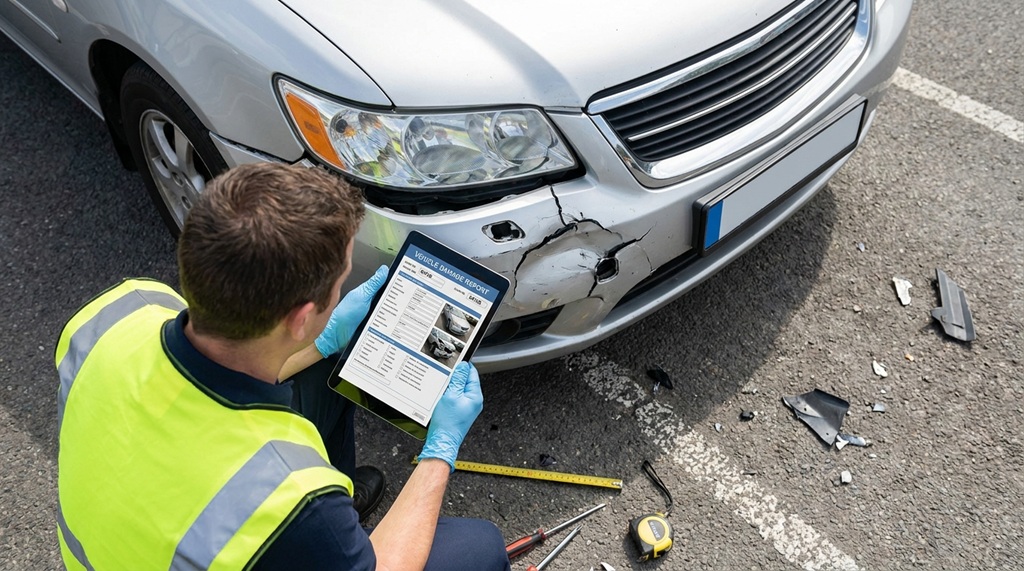
Standard auto insurance excludes several common scenarios, and knowing these gaps ahead of time can prevent a painful surprise later. Here are the most frequent exclusions drivers run into.
- Mechanical breakdowns unrelated to the crash. Insurance covers crash damage, not pre-existing mechanical issues.
- Personal belongings inside the vehicle. Items like laptops or phones damaged in a crash usually fall under homeowners or renters insurance instead.
- Intentional damage. If you deliberately cause a crash, your insurer will deny the claim and may cancel your policy.
- Business use without proper coverage. Personal auto policies typically exclude damage that occurs while using your vehicle for rideshare or delivery work.
- Damage exceeding your policy limits. If repair or medical costs exceed your coverage limits, you’re responsible for the remainder unless you have supplemental coverage.
How Fault Shapes Your Auto Insurance Settlement
Determining fault immediately dictates which policy assumes financial responsibility, directly setting your out-of-pocket exposure based on official police reports, eyewitness accounts, and jurisdiction-specific negligence laws. In traditional at-fault states, the negligent driver’s liability coverage finances the injured party’s recovery; conversely, no-fault jurisdictions require each driver’s personal injury protection (PIP) to cover their medical expenditures first, regardless of liability—though physical vehicle damage generally remains fault-based. When liability is split, states operating under comparative negligence frameworks trim your overall payout by your assigned percentage of fault (e.g., a 20% fault allocation reduces a $10,000 settlement to $8,000), whereas strict contributory negligence jurisdictions completely forfeit your right to compensation if you bear even 1% of the blame; if the driver who hit you lacks coverage your rights when the other driver has no insurance to safeguard your financial recovery.
Steps to Take Immediately After a Crash to Protect Your Coverage
What you do in the minutes and days after a crash directly affects whether your claim gets approved and how much you receive. Follow these steps to protect your coverage.
- Call the police and get a report. This creates an official record that insurers rely on heavily.
- Document the scene with photos. Capture vehicle damage, license plates, road conditions, and any visible injuries.
- Exchange information with the other driver. Get their name, insurance company, policy number, and contact details.
- Avoid admitting fault at the scene. Statements like “I’m sorry” can be used against you during the claims process.
- Notify your insurer promptly. Most policies require notification within a specific timeframe, and delays can jeopardize your claim.
- Keep records of every expense. Save receipts for towing, rental cars, and medical visits related to the crash.
One angle that often gets overlooked: request a copy of your insurer’s claim file notes if your claim gets delayed or disputed. Under most state insurance regulations, you have a right to see how your claim was evaluated, and reviewing those notes can reveal errors or missing documentation that you can correct before the claim gets denied outright.
Frequently Asked Questions
Does auto insurance cover a crash if I wasn’t at fault?
Yes, but the payout process depends on your state. In at-fault states, the other driver’s liability coverage pays for your damages. In no-fault states, your own PIP coverage pays first, regardless of fault.
Will my insurance rates go up after a crash that wasn’t my fault?
In many states, insurers can’t raise your rates for accidents where you weren’t at fault. However, this protection varies by state and insurer, so check your policy or ask your agent directly.
What happens if the other driver doesn’t have insurance?
Your uninsured motorist coverage, if you carry it, pays for your damages instead. Without this coverage, you may need to pursue the at-fault driver directly through a civil lawsuit, which can take significantly longer.
How long do I have to file a claim after a crash?
Most insurers require notification within a few days, though the deadline for filing a formal claim varies by policy and state. Check your policy documents or contact your insurer immediately after the crash to confirm your specific deadline.
Can I still get coverage if I was partially at fault?
Yes, in most states, but your payout will likely be reduced based on your percentage of fault under comparative negligence rules. A few states follow stricter contributory negligence rules, which can eliminate your ability to recover damages if you share any fault at all.
Conclusion
Auto insurance after a crash covers vehicle repairs, medical expenses, and liability costs, but the specifics depend heavily on your coverage types, your state’s fault rules, and your policy limits. Knowing these details before an accident happens puts you in a stronger position to file a successful claim and avoid unexpected costs. When in doubt, review your policy documents closely or consult an attorney if your claim gets denied or your damages exceed your coverage.