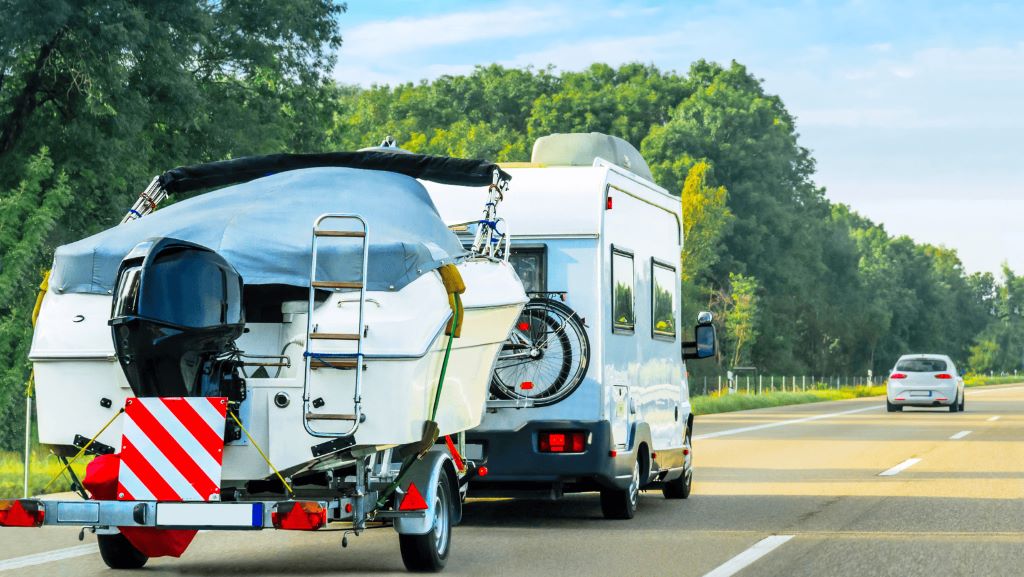
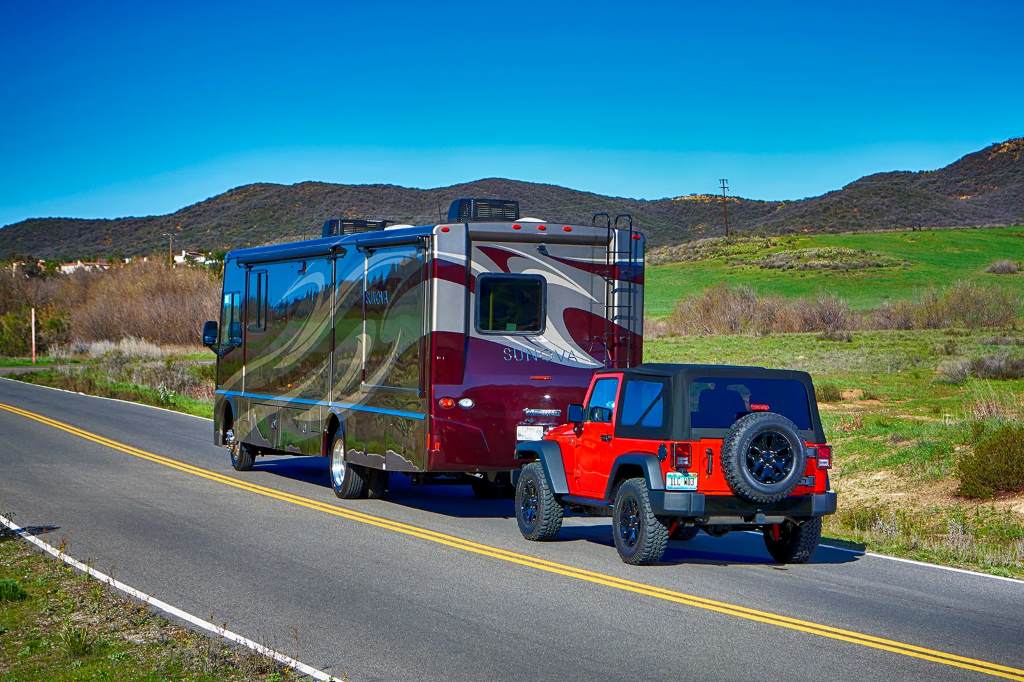
Imagine cruising down a scenic highway in your RV, the open road stretching ahead, with your trusty car trailing behind, ready for side adventures. Towing a car behind an RV, often called dinghy towing or flat towing, opens up a world of freedom for RV enthusiasts. However, the thrill of the journey comes with a maze of legal requirements that can feel overwhelming. From towing laws to safety cables, understanding the rules ensures a safe and stress-free trip. In this guide, I’ll share my journey of learning to tow my Honda CRV behind my RV, weaving through the complexities of regulations like trailer hitches and brake systems, to help you navigate the road confidently.
This post will break down the legal essentials for towing a car behind an RV, blending practical tips with my own experiences. Whether you’re a seasoned RVer or new to the RV lifestyle, you’ll find clear, actionable advice to keep you compliant and safe. Let’s hit the road and explore the must-know rules for dinghy towing.
Understanding Towing Laws Across States
Towing a car behind an RV involves navigating a patchwork of state-specific towing laws. Each state has unique rules governing trailer towing, from weight limits to equipment requirements. For instance, some states mandate safety chains, while others require specific brake systems for towed vehicles. My first RV trip from New Jersey to an RV park in Virginia taught me this the hard way. I assumed one set of rules applied everywhere, only to learn that Virginia required auxiliary braking systems for my setup.
Researching state towing laws before your trip is crucial. The Federal Motor Vehicle Safety Standards provide a baseline, but states like New Jersey add their own twists, such as restrictions on towing a car behind a 5th wheel. According to the National Highway Traffic Safety Administration, 80% of states require supplemental braking systems for towed vehicles over 3,000 pounds (https://www.nhtsa.gov). Check each state’s Department of Motor Vehicles website or resources like Dinghy Towing Guides for specifics. Planning ahead saves you from fines or roadside headaches.
Choosing the Right Towing Equipment
Your towing setup is the backbone of safe and legal dinghy towing. Key components include the tow bar, base plate, and safety cables. When I started towing my Honda CRV, I invested in a Blue Ox tow bar after reading glowing reviews on the manufacturer’s website. The base plate connects your car to the RV, while safety cables act as a backup if the tow bar fails. I learned that skimping on quality, like using a cheap hitch pin lock, can lead to dangerous situations.
Legally, your equipment must meet standards like the Gross Combination Weight Rating, which combines the weight of your RV and towed car. States often require safety chains and a break-away system to stop the car if it detaches. For example, my RoadMaster Nighthawk tow bar came with a Tow Defender to protect my car from debris. Always verify your setup complies with federal and state regulations to avoid violations. Quality gear not only ensures safety but also peace of mind.
Ensuring Proper Braking Systems
A supplemental braking system is a legal must in many states for dinghy towing. These systems, like the Patriot Brake or Ready Brute Elite II, ensure your towed car stops in sync with your RV, reducing stopping distance. On my first trip, I ignored this, thinking my RV’s brakes were enough. A close call on a steep hill convinced me to install a brake controller. It was a game-changer for safety and compliance.
Federal regulations often require auxiliary braking systems for vehicles over a certain weight, typically 3,000 pounds. States like California enforce this strictly, with fines for non-compliance. The RS-5000 Ready Stop is another option I explored for its ease of use. Check your state’s requirements on the DMV website or trusted sources like NSA RV Products. A reliable braking system not only meets legal standards but also protects you and others on the road.
Electrical Wiring and Safety Lights
Proper electrical wiring is critical for legal towing. Your towed car needs working brake lights, turn signals, and a license plate light to comply with traffic laws. I remember fumbling with an electrical wiring kit for my Jeep Wrangler, frustrated until I followed a guide from Blue Ox. The kit connects your RV’s electrical system to your car, ensuring all lights function correctly.
Federal Motor Vehicle Safety Standards mandate that towed vehicles have operational safety lights. Some states, like New Jersey, also require a break-away system to activate brake lights if the car detaches. According to a 2023 study by the RV Industry Association, 65% of towing-related citations involve faulty lighting (https://www.rvia.org). Test your wiring before every trip and carry spare bulbs. Proper lighting keeps you visible and legal, especially during nighttime or bad weather.
Weight Limits and Vehicle Compatibility
Towing capacity and the Max Towed Vehicle Weight are critical legal considerations. Your RV’s receiver hitch and the car’s weight must align with the Gross Combination Weight Rating. When I chose my Honda CRV for flat towing, I checked its manual transmission compatibility on the manufacturer’s website. Vehicles like the Jeep Wrangler or Nissan Versa are popular for dinghy towing due to their lightweight frames and free-wheeling hubs.
Exceeding weight limits can lead to fines or unsafe handling. For instance, my Ford F-150 RV could tow up to 7,000 pounds, but I stayed under to ensure stability. States may require a Combined Gross Vehicle Weight certification for heavier setups. Use a car trailer or tow dolly if your vehicle, like those with continuously variable transmissions, isn’t flat-towable. Always confirm compatibility to stay within legal and safety boundaries.
Tips for Safe and Legal Towing
Towing a car behind an RV requires diligence to stay legal and safe. Here are practical tips based on my experience and research:
- Check State Laws: Research towing laws for every state on your route using DMV websites.
- Use Quality Equipment: Invest in reliable tow bars, safety cables, and brake systems like Blue Ox or RoadMaster Nighthawk.
- Inspect Before Trips: Test brake lights, tire pressure, and hitch pin locks to avoid surprises.
- Follow Weight Limits: Ensure your setup meets the Gross Combination Weight Rating to avoid fines.
- Carry Documentation: Keep your RV and car manuals handy for reference on towing laws.
These steps saved me from a potential citation in Virginia when an officer checked my setup. Regular maintenance, like checking surge brakes or impact bumpers, also prevents issues. Resources like Cruise America offer rental RVs with pre-checked towing setups for beginners.
Explore Now:
- When to Hire a Lawyer: Signs You Shouldn’t Ignore
- What to Do If You’re Sued: Legal Steps Explained Simply
Common Mistakes to Avoid When Towing
New RVers often make avoidable mistakes that can lead to legal or safety issues. Here are common pitfalls to steer clear of:
- Ignoring Braking Systems: Skipping a supplemental braking system can result in fines or accidents.
- Overloading Weight Limits: Exceeding towing capacity strains your RV and breaks laws.
- Neglecting Wiring Checks: Faulty brake lights or license plate lights invite citations.
- Assuming Uniform Laws: Towing laws vary by state, so don’t rely on one state’s rules.
- Poor Equipment Choices: Cheap tow dollies or ratchet straps can fail, causing hazards.
I once forgot to secure my safety chains properly, nearly losing my car on a bumpy road. Learning from these mistakes ensures compliance and safety. Check resources like Dinghy Towing Guides for detailed advice.
The RV Lifestyle and Legal Compliance
The RV lifestyle is about freedom, but legal compliance keeps that freedom intact. Towing a car behind your RV, whether a Travel Trailer or 5th wheel, requires understanding regulations like stopping distance without brakes or driveshaft-disconnect devices. My trips to RV parks taught me that preparation, from checking tire pressure to securing a Weather Tech Bug Shield, makes all the difference.
Compliance isn’t just about avoiding fines; it’s about safety for you and others. Resources like NSA RV Products or RV Movers offer gear and services to simplify the process. By following towing laws and using reliable equipment, you can enjoy the journey without worry. The open road awaits, and with the right knowledge, you’ll tow confidently.
Towing with Confidence
Towing a car behind an RV blends adventure with responsibility. From mastering towing laws to choosing the right tow bar, safety cables, and braking systems, each step ensures a legal and secure journey. My experience towing a Honda CRV taught me that preparation, like checking electrical wiring or weight limits, prevents costly mistakes. By following state-specific rules and investing in quality gear like Blue Ox or RoadMaster Nighthawk, you’ll hit the road with confidence.
Ready to plan your next RV adventure? Share your towing tips or questions in the comments below, or pass this guide along to fellow RVers. Stay informed, stay safe, and enjoy the RV lifestyle to the fullest.
FAQs
What are the basic towing laws for dinghy towing?
Each state has unique towing laws, but most require safety chains, brake lights, and supplemental braking systems for vehicles over 3,000 pounds. Check state DMV websites.
Do I need a supplemental braking system for my towed car?
Yes, many states mandate auxiliary braking systems for towed vehicles to reduce stopping distance. Systems like Patriot Brake ensure compliance.
Can any car be flat towed behind an RV?
No, only vehicles with manual transmissions or free-wheeling hubs, like Jeep Wrangler or Honda CRV, are typically flat-towable. Check the manufacturer’s website.
What equipment is legally required for towing a car?
You need a tow bar, base plate, safety cables, brake lights, and often a break-away system. Quality gear like Blue Ox ensures compliance.
How do I avoid towing-related fines?
Research state towing laws, use proper equipment, check wiring and brakes, and stay within weight limits. Resources like Dinghy Towing Guides help.