
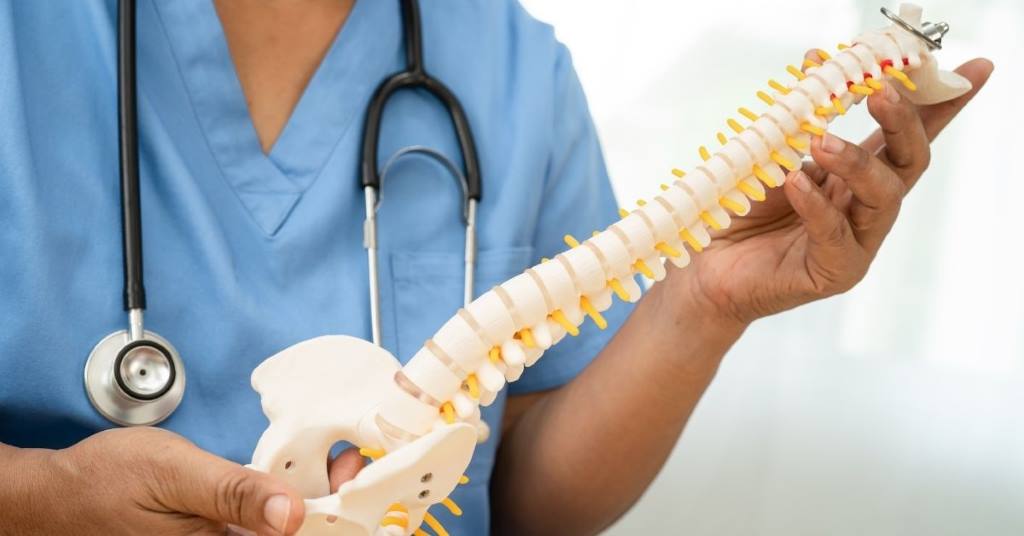
Imagine waking up each day with a nagging ache in your back, a reminder of an accident that altered your life. For many, spinal fusion surgery becomes a beacon of hope after such trauma, promising stability and relief. However, for some, it leads to chronic pain syndrome, a condition that lingers like an unwelcome guest. This blog post explores the challenges of chronic pain after spinal fusion, weaving a narrative of resilience and recovery. We’ll dive into its causes, management strategies, and the emotional toll it takes, using insights from medical research and a personal story to educate, demonstrate, and fascinate. Whether you’re a patient, caregiver, or simply curious, this journey offers hope and practical advice. Share your thoughts in the comments below!
Understanding Chronic Pain Syndrome Post-Spinal Fusion
Chronic pain syndrome after spinal fusion is a complex condition where pain persists beyond the expected healing period, typically three months. According to the Cleveland Clinic, about 20-40% of spinal surgery patients develop persistent pain, often linked to failed back surgery syndrome. This can stem from nerve damage, epidural fibrosis, or hardware issues like metal screws or implant migration. For instance, an accident may cause a herniated disc or spinal stenosis, necessitating lumbar fusion, but postoperative pain can linger due to scar tissue or nerve root irritation.
The condition affects not just the body but also the mind. Psychological factors, such as stress or depression, can amplify pain perception, creating a vicious cycle. A 2020 study in Spine Journal found that patients with higher body mass index or psychosocial determinants reported worse outcomes. Understanding these factors is crucial for tailoring effective treatment plans, as we’ll explore next.
My Personal Journey: From Accident to Chronic Pain

Seven years ago, a car accident left me with a fractured lumbar spine. The surgeon recommended lumbar discectomy followed by spinal fusion to stabilize my spine. Initially, the relief was palpable, but months later, chronic pain crept in. Simple tasks like sitting or walking became daunting. The diagnosis? Failed back surgery syndrome. My doctor explained that epidural scar adhesions and nerve damage were likely culprits, common in 10-20% of fusion cases, per the American Academy of Orthopaedic Surgeons.
The emotional toll was immense. I felt trapped, questioning if I’d ever regain normalcy. Physical therapy and cognitive behavioral therapy became lifelines, helping me manage pain and rebuild confidence. My story mirrors many others, highlighting the need for comprehensive care. This experience fuels my passion to share knowledge, hoping to guide others through this challenging path.
Causes of Chronic Pain After Spinal Fusion
Chronic pain after spinal fusion often arises from multiple sources. Epidural fibrosis, where scar tissue forms around the nerve root, affects up to 25% of patients, according to Pain Physician Journal. Hardware issues, like implant migration or hardware fracture, can also irritate surrounding tissues. Recurrent disc herniation or adjacent segment degeneration may occur, with studies showing a 5-10% recurrence rate post-lumbar fusion.
Additionally, neuropathic pain from dorsal root ganglion irritation or glial activation in the spinal cord can intensify discomfort. Psychological techniques, like addressing anxiety, are vital, as mental health significantly influences pain perception. For example, a 2019 study in Neurosurgery noted that patients with preoperative psychological factors had a 30% higher risk of chronic pain. Identifying these causes early allows for targeted interventions, improving quality of life.
Effective Treatments for Managing Chronic Pain
Managing chronic pain syndrome requires a multifaceted approach. Spinal cord stimulation, used in 10% of chronic pain cases per Spine Journal, delivers electrical impulses to block pain signals. Epidural injections or intrathecal drug delivery systems offer relief for some, though effectiveness varies. Radiofrequency ablation, targeting specific nerves, shows a 60-70% success rate in reducing pain, per Pain Medicine.
Conservative management, like physical therapy, strengthens muscles and improves mobility. Cognitive behavioral therapy addresses psychological factors, reducing pain perception in 40% of patients, according to Journal of Pain Research. Regenerative medicine, such as stem cell therapy, is emerging but lacks widespread evidence. Combining these treatments, tailored to individual needs, often yields the best outcomes. Always consult specialists, like those at NYU Langone, for personalized plans.
Treatment Options at a Glance
- Spinal Cord Stimulation: Blocks pain signals with electrical impulses.
- Epidural Injections: Reduces inflammation around nerves.
- Radiofrequency Ablation: Targets nerves for pain relief.
- Physical Therapy: Enhances strength and mobility.
- Cognitive Behavioral Therapy: Manages psychological aspects of pain.
Diagnostic Tools for Identifying Pain Sources
Accurate diagnosis is key to effective treatment. MRI scans reveal soft tissue issues like epidural scar adhesions, while CT scans detect hardware fractures or implant migration. Bone scans, though less common, identify sacroiliac joint pain or infection. The Oswestry LBP Disability Questionnaire and visual analog scale help quantify pain and disability, guiding treatment plans.
A 2021 study in European Spine Journal emphasized that combining imaging with patient-reported outcomes improves diagnostic accuracy by 25%. For instance, radiographic changes or disc protrudes may indicate recurrent issues, while blood clots or pulmonary embolism, risks post-surgery, require urgent attention. Facilities like Ortho Sport & Spine Physicians use advanced tools like EOS Imaging for precise diagnostics, ensuring targeted interventions.
Read Also:
- What to Do If You’re Sued: Legal Steps Explained Simply
- Understanding Your Legal Rights: A Guide for Everyday Situations
- Top 10 Questions About Personal Injury Law—Answered by Experts
Lifestyle Adjustments to Ease Chronic Pain
Living with chronic pain demands lifestyle changes. Maintaining a healthy body mass index reduces stress on the spine, as obesity increases pain risk by 20%, per Journal of Orthopaedic Research. Gentle exercises, like those in physical therapy, improve flexibility without straining the lumbar spine. Pulsatile stockings can prevent blood clots, a concern post-surgery.
Diet also plays a role. Anti-inflammatory foods, like leafy greens, may reduce neuropathic pain. Avoiding prolonged sitting or heavy lifting prevents exacerbation. Psychological techniques, such as mindfulness, complement these changes, reducing stress-related pain. My own routine of daily stretches and meditation, inspired by Dr. Jay M. Shah’s advice, has significantly eased my discomfort, proving small adjustments make a big difference.
Practical Tips for Pain Management
- Exercise Regularly: Opt for low-impact activities like walking or yoga.
- Maintain Healthy Weight: Reduces spinal stress and pain.
- Practice Mindfulness: Lowers stress and pain perception.
- Use Ergonomic Supports: Like lumbar cushions for sitting.
- Stay Hydrated: Supports overall health and tissue repair.
The Emotional and Psychological Impact
Chronic pain after spinal fusion isn’t just physical; it’s an emotional battle. Psychological factors, like depression, affect 30% of patients, per Journal of Pain. The constant discomfort can lead to frustration, isolation, and reduced health-related quality of life. My own struggle with post-laminectomy pain taught me the value of cognitive behavioral therapy, which helped reframe negative thoughts.
Support groups and counseling provide a safe space to share experiences. A 2022 study in Pain Management Nursing found that patients engaging in psychological techniques reported a 35% improvement in mood and pain perception. Building a support network, whether through family or professionals like those at SamWell Institute for Pain Management, fosters resilience and hope.
Advanced Surgical Options for Persistent Pain
When conservative treatments fail, advanced surgical options may help. Microendoscopic discectomy or posterior lumbar interbody fusion addresses recurrent disc herniation or implant issues. Endoscopic spine surgery, minimally invasive, reduces recovery time and scarring, with a 70% success rate, per Spine Journal. Repeated surgery, however, carries risks, with a 15% chance of further complications.
Emerging treatments like pulsed radiofrequency treatment show promise in targeting neuropathic pain. Regenerative medicine, including stem cell therapy, is under research but not yet standard. Consulting specialists at centers like NYU Langone ensures informed decisions. My own doctor’s advice to avoid rushed surgery decisions helped me explore less invasive options first, preserving hope for recovery.
Preventing Complications Post-Surgery
Preventing complications starts with proactive care. Regular follow-ups detect issues like implant migration or epidural fibrosis early. Pressure reliefs, like alternating positions, reduce nerve irritation. Monitoring for blood clots or pulmonary embolism is critical, as they affect 1-2% of patients, per Journal of Neurosurgery.
Adhering to postoperative guidelines, such as avoiding heavy lifting, lowers risks. The sciatica bothersomeness index can track symptom progression, guiding adjustments. My experience taught me to prioritize follow-ups, catching a minor hardware issue early. Resources from Ortho Sport & Spine Physicians emphasize patient education, empowering individuals to take charge of their recovery.
Conclusion
Chronic pain syndrome after spinal fusion from an accident is a daunting challenge, but hope persists. By understanding causes like epidural fibrosis or nerve damage, exploring treatments like spinal cord stimulation, and embracing lifestyle changes, patients can reclaim their lives. My journey, marked by setbacks and triumphs, underscores the power of resilience and informed care. With tools like MRI scans and psychological techniques, relief is attainable. Let’s continue this conversation—share your story or tips in the comments or spread this article to help others. Together, we can navigate the path to recovery.
FAQs
What causes chronic pain syndrome after spinal fusion?
It’s often due to epidural fibrosis, nerve damage, or hardware issues like implant migration, with psychological factors amplifying discomfort.
How effective is spinal cord stimulation for pain relief?
It reduces pain in 60-70% of patients by blocking nerve signals, per Spine Journal, but results vary.
Can lifestyle changes help manage chronic pain?
Yes, maintaining a healthy weight, gentle exercise, and mindfulness can reduce pain and improve quality of life.
What diagnostic tools are used for chronic pain?
MRI and CT scans, along with tools like the Oswestry LBP Disability Questionnaire, identify pain sources accurately.
Are advanced surgical options safe for persistent pain?
Options like microendoscopic discectomy are effective but carry a 15% risk of complications, requiring careful consideration.


