

Car accidents spark confusion about who covers damages, especially in New York’s no-fault state. In a no-fault system, your insurance pays for medical bills and lost wages, regardless of fault. But car damage? That’s different. This article answers who pays for car damage in New York, breaking down the no-fault system, insurance policies, and legal options. Expect clear insights, practical tips, and expert advice to navigate claims smoothly.
Understanding New York’s No-Fault Insurance System
New York operates under a no-fault insurance system. This means your insurance covers medical expenses and lost income after a car accident, no matter who caused it. The goal? Speed up claims and reduce lawsuits. But no-fault insurance doesn’t cover property damage, like car repairs. That’s where things get tricky.
No-fault insurance, also called Personal Injury Protection (PIP), pays for medical costs, prescription drugs, and lost wages up to a limit, typically $50,000. It applies to you, your passengers, and pedestrians injured in the accident. New York law requires all drivers to carry this coverage. However, vehicle damage falls outside PIP coverage, leaving many drivers confused about next steps.
Who Pays for Car Damage in New York?
Car damage in New York isn’t covered by no-fault benefits. Instead, it depends on the type of insurance you have and who’s at fault. Let’s break it down.
Collision Coverage for Your Vehicle
Collision coverage pays for your car repairs, regardless of fault. If you have this, your insurer covers the damage after a deductible. For example, a $500 deductible means you pay $500, and insurance handles the rest. This coverage is optional but common in New York.
Without collision coverage, you’re responsible for repair costs if you caused the accident. If another driver is at fault, their liability insurance should cover your car damage. But proving fault can complicate things.
Liability Insurance and Fault Determination
Liability insurance covers damage you cause to others’ vehicles or property. If you’re at fault in a New York car crash, your liability coverage pays for the other driver’s repairs. New York is a comparative negligence state, meaning fault can be shared. For instance, if you’re 30% at fault, you pay 30% of the damages, and the other driver’s insurance covers 70%.
Fault determination involves police reports, witness statements, and insurance adjusters. The process can take time, especially if disputes arise. If the at-fault driver lacks insurance, things get harder.
Uninsured Motorist Coverage
What if the at-fault driver has no insurance? Uninsured Motorist Coverage (UM) helps. It covers your car damage and injuries if the other driver is uninsured. New York requires this coverage, but it’s limited to bodily injury unless you add property damage protection. The Motor Vehicle Accident Indemnification Corporation (MVAIC) steps in for hit-and-run or uninsured cases, but the process is complex.
Comprehensive Insurance for Non-Collision Damage
Comprehensive insurance covers non-collision damage, like vandalism or weather-related issues. It’s optional but useful for protecting your car. For example, if a tree falls on your vehicle, comprehensive coverage pays for repairs after a deductible. It doesn’t apply to accident-related damage, though.
How to File a Claim for Car Damage in New York
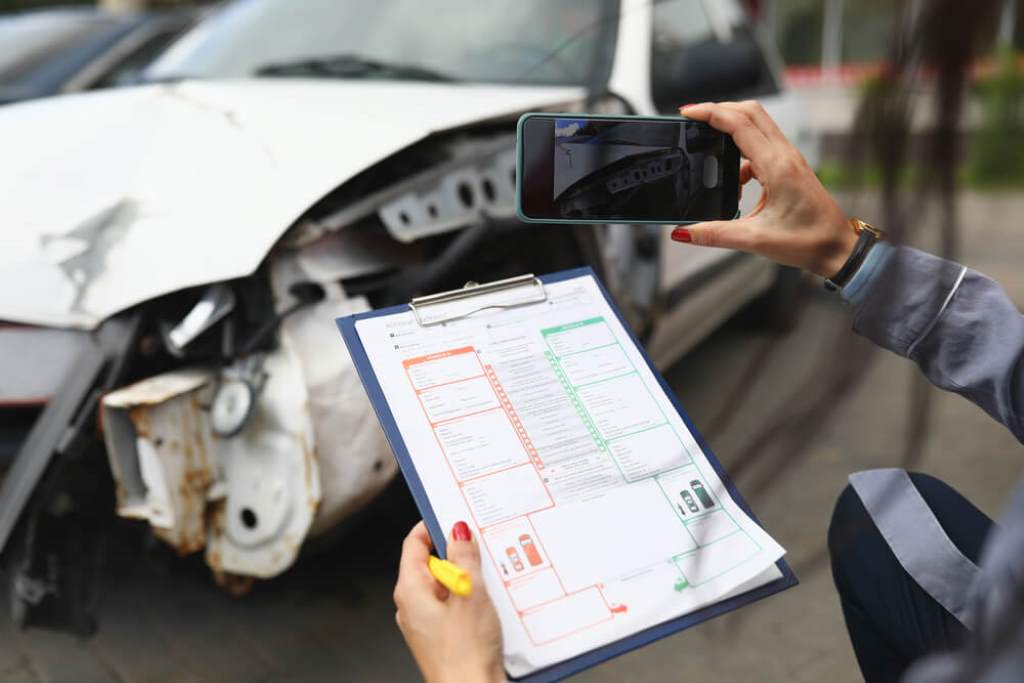
Filing a claim for car damage requires quick action. Follow these steps to streamline the process.
- Report the Accident: File a police report immediately. New York law requires reporting accidents with over $1,000 in damage. Use the NYS DMV Accident Report Form for accuracy.
- Notify Your Insurer: Contact your insurance provider within days. Submit the NF-2 form for no-fault claims and include details about property damage.
- Gather Evidence: Collect photos, witness statements, and accident reports. These strengthen your claim.
- Work with an Adjuster: An insurance adjuster assesses damage. Be honest but cautious—don’t admit fault prematurely.
- File with the Right Insurer: If you have collision coverage, file with your insurer. If the other driver is at fault, file with their liability insurance.
Delays or missing paperwork can hurt your claim. Act fast and keep records.
When to Seek Legal Help
Some cases need a personal injury attorney or auto accident lawyer. Consider legal help if:
- The accident caused serious injury or death.
- The at-fault driver disputes fault.
- Insurance denies your claim or offers a low settlement.
- You face high medical bills or lost income.
Firms like Kerner Law Group, Faraci Lange, LLP, or Salenger, Sack, Kimmel & Bavaro, LLP specialize in New York car accident cases. They navigate complex laws, like Regulation 68, which governs no-fault claims, or comparative negligence laws. A lawyer can also handle No-Fault arbitration through the American Arbitration Association if disputes arise.
Special Cases in Car Damage Claims
Uninsured or Underinsured Drivers
If the at-fault driver lacks insurance, your options are limited. Uninsured Motorist Coverage or MVAIC can help, but both have strict rules. MVAIC requires proof the other driver was uninsured and that you reported the accident promptly.
Out-of-State Passengers
Out-of-state passengers in a New York accident can claim no-fault benefits. However, car damage claims follow the same rules—collision coverage or the at-fault driver’s liability policy applies.
Death Benefits and Wrongful Death Claims
If an accident causes death, no-fault insurance may provide death benefits, typically $2,000. For larger claims, a wrongful death lawyer can pursue economic and noneconomic damages against the at-fault driver’s policy.
Mini-Tort Law and Property Damage Liability
New York doesn’t have a true mini-tort law, unlike some states. Instead, property damage liability covers repairs if the other driver is at fault. If both parties share fault, comparative negligence splits the costs.
Tips to Maximize Your Claim
- Document Everything: Keep receipts for repairs, medical costs, and prescription medications.
- Avoid Quick Settlements: Insurance companies may offer low settlements. Consult a lawyer before accepting.
- Understand Policy Limits: Check your insurance policy for coverage limits, like collision or liability insurance caps.
- Use Statutory Offsets: New York allows offsets for other payments, like disability benefits, to avoid double recovery.
- Know Your Rights: Regulation 68 and New York State laws protect you. Read up or consult an attorney.
Costs to Expect After a Car Accident
Car accidents bring various costs. Here’s what to expect:
- Car Repair: Costs vary based on damage. Minor repairs might cost $1,000; major ones, $10,000+.
- Medical Expenses: No-fault covers medical bills, but serious injuries may exceed limits.
- Lost Wages: PIP covers lost income, but caps apply. A wage claim may need legal action.
- Insurance Premiums: Filing claims can raise premiums. Shop around to compare insurance providers.
For totaled vehicles, insurers pay the car’s book value, not replacement cost. GAP coverage helps if you owe more than the car’s worth.
Read Also:
- How to Handle a Car Accident in Georgia: A Comprehensive Guide
- Legal Requirements for Towing a Car Behind an RV: A Road Trip Story
- Living with Chronic Pain Syndrome After Spinal Fusion from an Accident
Common Mistakes to Avoid
- Not Reporting the Accident: Failing to file a police report or NYS DMV Accident Report Form delays claims.
- Admitting Fault: Don’t admit fault at the scene. Let adjusters and police determine responsibility.
- Skipping Evidence: Without photos or witness statements, proving fault is harder.
- Missing Deadlines: File the NF-2 form and claims promptly to avoid denials.
- Ignoring Legal Help: Complex cases, like those involving uninsured vehicles, need an auto accident lawyer.
FAQs
What Does No-Fault Insurance Cover in New York?
No-fault insurance covers medical expenses, lost wages, and other economic costs, not car damage.
Who Pays for Car Repairs if I’m Not at Fault?
The at-fault driver’s liability insurance covers your repairs. If uninsured, use your collision coverage.
Can I Sue for Car Damage in New York?
You can sue if damages exceed insurance limits or involve serious injury or pain and suffering.
What is Collision Coverage?
Collision coverage pays for your car repairs after an accident, regardless of fault, minus a deductible.
How Does Comparative Negligence Affect My Claim?
Comparative negligence splits damages based on fault percentage, reducing your payout if partially at fault.
Conclusion
Navigating car damage claims in New York’s no-fault state can feel overwhelming. No-fault insurance covers medical bills and lost wages, but car repairs depend on collision coverage, liability insurance, or legal action. Act fast, document everything, and consider a personal injury attorney for complex cases. Understanding your insurance policy and New York law empowers you to handle claims confidently.
Have questions about your car accident claim? Share your experience below or contact a New York auto accident lawyer today!
References
- New York State Department of Financial Services: https://www.dfs.ny.gov/consumers/auto_insurance
- New York DMV Accident Reporting: https://dmv.ny.gov/forms/mv104.pdf
- Motor Vehicle Accident Indemnification Corporation: https://www.mvaic.com/
- Regulation 68 Overview: https://www.dfs.ny.gov/regulation_68
- American Arbitration Association: https://www.adr.org/
Image ALT Texts:
- Car accident in New York City with damaged vehicle on busy street.
- Insurance adjuster inspecting car damage after a New York crash.
- Lawyer discussing no-fault insurance claim with client in New York office.


