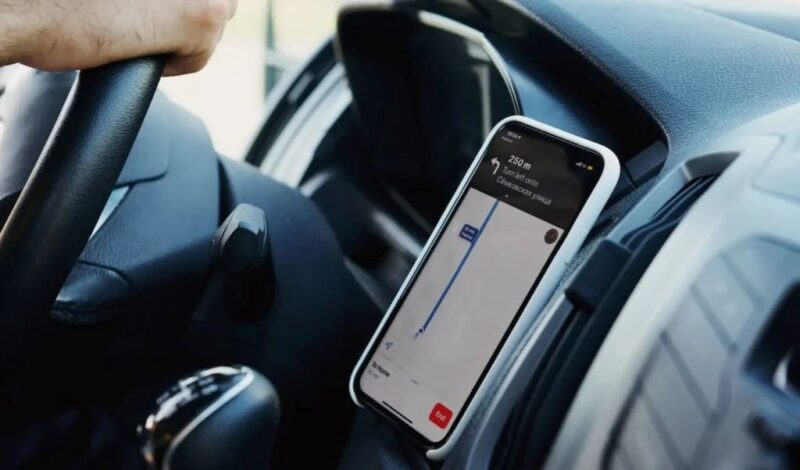
Driving through busy city streets or merging onto a bustling highway can feel like navigating a maze. A few years ago, I nearly collided with a motorcycle while changing lanes, unaware it was lurking in my blind spot. That heart-pounding moment made me realize the value of reliable safety features. Blind spot detection systems, once a luxury, are now accessible through aftermarket solutions, offering peace of mind to drivers of older vehicles. This article explores the best aftermarket blind spot detection system, diving into their features, benefits, and limitations. By examining top options and sharing insights, I aim to help you choose a system that enhances your safety on the road.
Understanding Aftermarket Blind Spot Detection Systems
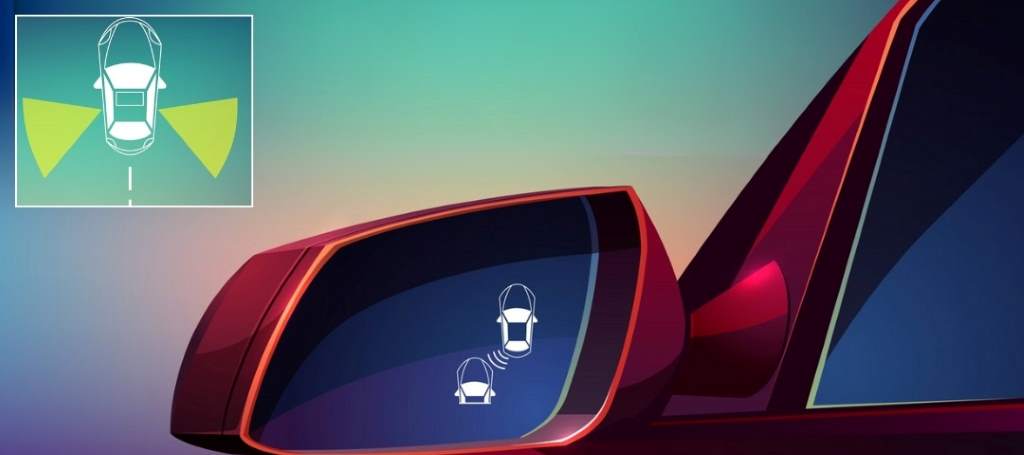
Blind spot detection systems monitor areas around a vehicle that are hard to see, like rear blind spots or regions beside side mirrors. These systems use sensor-based technologies, such as radar or ultrasonic sensors, to detect nearby vehicles or obstacles. When a car approaches your blind spot, a visual indicator, like an LED light on the outside mirror, or an audible alert warns you. Aftermarket systems bring this technology to older vehicles, making safety features affordable. According to the Insurance Institute for Highway Safety, blind spot warning systems reduce lane-change crashes by 23%.
The appeal of aftermarket solutions lies in their adaptability. Unlike OE factory systems, these can be installed on nearly any vehicle, from a Jeep Wrangler to a Ram Truck 1500. They often include components like camera units or millimeter wave detection sensors, offering flexibility for various vehicle types. However, aftermarket systems may lack the seamless integration of factory-installed options, requiring professional installation to ensure accuracy.
Key Features of Top Aftermarket Blind Spot Detection Systems
The best aftermarket blind spot detection system offers a balance of reliability, ease of installation, and clear alerts. These systems typically include sophisticated sensors that monitor a detection range of about 10 feet beyond the rear bumper. Some even integrate with backup cameras or dash cameras for a comprehensive safety suite. Here are essential features to look for:
- Visual and Audible Alerts: Systems provide a visual warning, like an LED buzzer monitor, and an audible alert to ensure you notice potential hazards.
- Wide Detection Range: Effective systems cover areas beside and behind the vehicle, including the wheel well and rear-view mirror zones.
- Weather Resistance: Sensors must function in rain or fog, unlike some camera-based systems that struggle in poor visibility.
My experience with a sensor-based system on my old sedan showed how these features work in real life. The LED light on my side mirrors was a lifesaver during heavy traffic, alerting me to a car I would’ve missed otherwise.
Top Picks for Aftermarket Blind Spot Detection Systems
Several aftermarket systems stand out for their performance and user-friendly design. Based on research and user feedback, here are three top options:
- OYI Electronic Blind Spot Detection System: Known for its reliability, this system uses radar sensors for precise detection. It’s ideal for larger vehicles like the Jeep Gladiator or Ram Truck 2500-3500, offering customizable detection ranges to reduce false alarms. Its integration with video evidence recording adds value for fleet drivers.
- Banhao ABS Blind Spot Monitor: This system combines ultrasonic sensors with a visual indicator on the outside mirror. It’s budget-friendly and easy to install, making it suitable for compact cars. However, it may struggle with small obstacles like motorcycles.
- Brandmotion Universal Blind Spot Detection: This system offers a 360° car camera system alongside radar sensors, providing a bird’s eye view 360 camera system for enhanced awareness. It’s pricier but perfect for drivers seeking a premium experience.
Each system caters to different needs, from basic safety to advanced features. Checking the automaker’s website or driver’s manual can help ensure compatibility with your vehicle.
Benefits of Installing an Aftermarket Blind Spot Detection System
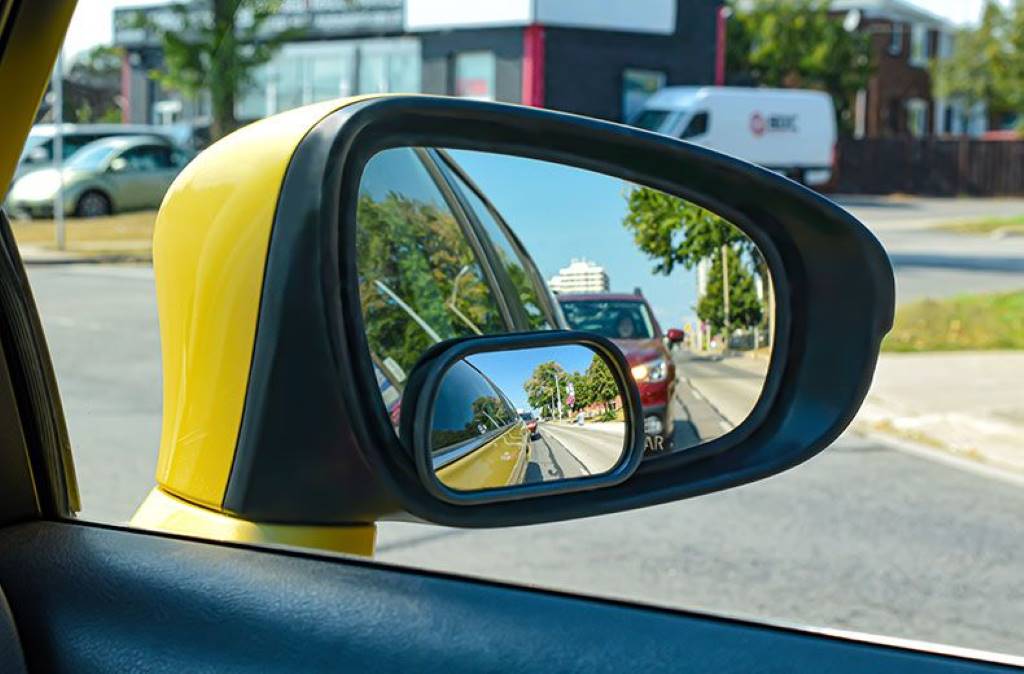
Adding a blind spot detection system to your vehicle transforms your driving experience. These systems enhance safety by alerting you to vehicles in your blind spots, reducing the risk of collisions during lane changes. For instance, merging onto a highway becomes less stressful when a visual warning or tactile alert signals a nearby car. This is especially useful in stop-and-go city traffic, where motorcycles or scooters can slip into blind spots.
Additionally, these systems reduce driver fatigue on long drives by acting as a co-pilot. They complement traditional head checks, encouraging safer driving habits. For owners of vehicles like the Mercedes Benz S Class or Jeep Wrangler JL, aftermarket systems provide modern safety without needing a new car. However, they’re not a replacement for driver awareness, as over-reliance can lead to complacency.
Challenges and Limitations to Consider
No system is perfect, and aftermarket blind spot detection systems have their drawbacks. One common issue is false alarms, where sensors mistake stationary objects like guardrails for vehicles. This can be frustrating in urban settings. Weather conditions, like heavy rain or snow, can also impair sensor-based systems or camera units, reducing their effectiveness. For example, my friend’s camera-based system failed during a stormy drive, leaving him reliant on convex mirrors.
Another challenge is installation complexity. Unlike OE factory systems, aftermarket kits require precise alignment of sensors, often needing professional help. This can increase costs, especially for systems with advanced features like a digital rear view mirror. Lastly, these systems may not detect small obstacles, such as bicycles, as effectively as larger vehicles, requiring extra caution.
Tips for Choosing the Right Aftermarket System
Selecting the best aftermarket blind spot detection system involves careful consideration. Here are practical tips to guide your decision:
- Check Vehicle Compatibility: Ensure the system suits your vehicle, whether it’s a Ram Truck 1500 or a compact sedan. Consult the automaker’s website for guidance.
- Prioritize Reliable Sensors: Opt for radar or millimeter wave detection sensors for better performance in adverse weather.
- Consider Installation Ease: Choose systems with clear video guides or customer service support to simplify setup.
- Avoid Overly Complex Features: Systems with too many features, like a sophisticated parking system, may be harder to maintain.
- Test the Detection Range: Ensure the system covers rear blind spots and side mirrors effectively.
These tips helped me narrow down my choice, ensuring I picked a system that balanced cost and functionality for my daily commute.
Read Also:
- Legal Requirements for Towing a Car Behind an RV: A Road Trip Story
- Living with Chronic Pain Syndrome After Spinal Fusion from an Accident
- When to Hire a Lawyer: Signs You Shouldn’t Ignore
Installation and Maintenance Best Practices
Proper installation is crucial for an aftermarket blind spot detection system to work effectively. Professional installation ensures sensors are aligned correctly, covering the intended detection range. For instance, radar sensors must be placed near the rear bumper or wheel well to avoid blind spots. If you’re a DIY enthusiast, follow video guides from the manufacturer and double-check connections like the ground bus bar or solar controller for wireless models.
Maintenance is equally important. Regularly clean sensors to prevent dirt or snow from blocking them. Check the driver’s manual for troubleshooting tips, like how to hold the button to reset the system. For systems with a digital rear view mirror or infotainment display, ensure software updates are applied to avoid glitches. These steps keep your system reliable, as I learned after neglecting sensor cleaning and facing false alerts.
Comparing Aftermarket vs. Factory-Installed Systems
Aftermarket blind spot detection systems offer affordability and flexibility, but how do they stack up against OE factory systems? Factory-installed systems, like those in the Mercedes Benz S Class, are seamlessly integrated, often working with other safety features like lane keep assist or backup cams. They’re calibrated for specific vehicles, ensuring optimal performance. However, they’re only available on newer models, leaving older vehicles out.
Aftermarket systems, like those from OYI Electronic, provide similar functionality at a lower cost. They can be retrofitted to almost any car, from a Jeep Gladiator to a classic sedan. Yet, they may require more maintenance and lack the polish of factory systems. For budget-conscious drivers or those with older vehicles, aftermarket options are a practical choice, though they demand careful installation to match factory performance.
The Future of Blind Spot Detection Technology
The aftermarket car industry is evolving, with blind spot detection systems becoming more advanced. Future systems may integrate with driver-facing dash cams or vehicle-to-everything (V2X) communication, providing real-time data about nearby vehicles. Enhanced sensor fusion, combining radar, cameras, and LiDAR, promises better accuracy and fewer false alarms. These advancements could make systems more reliable in challenging conditions, like rural roads or heavy rain.
Moreover, the retail aftermarket systems market is growing, driven by demand for safety features in commercial vehicles like the Ram Truck 2500-3500. As technology improves, we may see systems with customizable alerts tailored to driver preferences, reducing distractions. This evolution excites me, as it means safer roads for everyone, whether you’re driving a high-end SUV or a budget-friendly sedan.
Drive Safer with the Right System
Choosing the best aftermarket blind spot detection system can transform your driving experience, offering peace of mind and enhanced safety. Systems like those from OYI Electronic or Banhao ABS provide reliable alerts, helping you avoid collisions during lane changes or merges. While they have limitations, such as potential false alarms or weather sensitivity, their benefits outweigh the drawbacks for most drivers. By selecting a system with robust sensors and proper installation, you can enjoy modern safety features without buying a new car. Share your thoughts or experiences with blind spot detection systems in the comments below, or pass this article along to help others drive safer!
FAQs
What is a blind spot detection system?
A blind spot detection system uses sensors to monitor areas around a vehicle, alerting drivers to nearby cars with visual or audible signals.
Can I install an aftermarket system on any vehicle?
Most vehicles, like the Jeep Wrangler or Ram Truck 1500, can support aftermarket systems, but compatibility varies. Check the manufacturer’s guidelines.
Do camera-based systems work in bad weather?
Camera-based systems may struggle in rain or fog, unlike radar sensors, which perform better in adverse conditions.
How much does an aftermarket system cost?
Prices range from $100 to $500, depending on features like 360° car camera systems or LED buzzer monitors.
Are aftermarket systems as good as factory-installed ones?
Aftermarket systems offer similar safety benefits but may require professional installation for optimal performance compared to OE factory systems.
References:
- Insurance Institute for Highway Safety, “Blind Spot Warning Technology Reduces Lane-Change Crashes,” https://www.iihs.org/
- Consumer Reports, “Guide to Blind Spot Warning,” https://www.consumerreports.org/