
Car seats save lives. Every parent wants their child safe on the road. California car seat law sets strict rules to protect kids. These laws ensure children use proper restraints based on age, height, and weight. Understanding these rules prevents accidents and fines. This guide explains the laws, requirements, and safety tips. It also shares a personal story and expert insights. By the end, you’ll know how to keep your child safe and comply with the law.
Why Car Seat Laws Matter
Car seats reduce injury risks. The National Highway Traffic Safety Administration states car seats cut fatal injury risks by 71% for infants. Proper use is critical. California’s laws aim to lower child injuries in car accidents. Non-compliance risks fines and child safety. Parents must know these rules. Laws evolve to match safety standards. Staying updated ensures your child’s protection.
Key Requirements of California Law
California Vehicle Code Section 27360 outlines child restraint systems. Children under 8 years old must use car seats or booster seats. Kids under 2 must use rear-facing car seats unless they weigh 40 pounds or are 40 inches tall. After age 8 or reaching 4’9″, kids can use seat belts. These rules apply to all vehicles. Non-compliance may lead to fines starting at $100.
Rear-Facing Car Seat Rules
Rear-facing car seats protect infants best. California law mandates rear-facing seats for kids under 2. This applies unless the child exceeds 40 pounds or 40 inches. Rear-facing seats support the head, neck, and spine during crashes. The American Academy of Pediatrics supports this rule. Parents should check seat specifications. Proper installation is crucial for safety.
Forward-Facing Car Seat Guidelines
Forward-facing car seats suit older toddlers. California law allows forward-facing seats after age 2 or when kids outgrow rear-facing limits. These seats use a forward-facing harness for safety. They protect children in car crashes. Always follow manufacturer guidelines. Ensure the seat fits your vehicle. Correct installation prevents injuries in traffic collisions.
Booster Seat Regulations in California
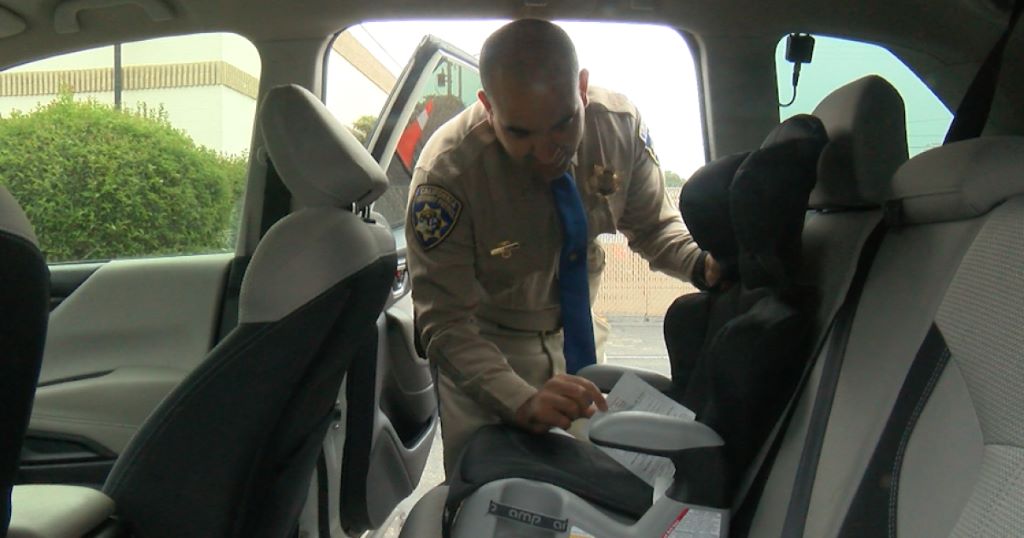
Booster seats bridge car seats and seat belts. California’s booster seat laws require kids under 8 or shorter than 4’9″ to use them. Booster seats position seat belts correctly over the shoulder and lap. This reduces injury risks in vehicle crashes. Parents should choose high-back or backless boosters based on vehicle type. Proper fit ensures maximum safety.
Seat Belt Transition Rules
Kids over 8 or taller than 4’9″ can use seat belts. California’s safety belt laws require proper fit. The shoulder belt must cross the chest, not the neck. The lap belt must rest on hips, not the stomach. Incorrect fit reduces protection. Parents should check belt placement regularly. This ensures safety in motor vehicle crashes.
Personal Story: A Lesson Learned
My sister, Emily, learned California’s car seat laws the hard way. Her toddler, Liam, was in a forward-facing seat at 18 months. During a routine traffic stop, a California Highway Patrol officer noticed. Emily faced a $100 fine. She switched to a rear-facing car seat immediately. The incident taught her the importance of child passenger safety. Now, she shares her story to educate others.
Safety Standards and Best Practices
Car seats must meet U.S. Federal Motor Vehicle Safety Standards. Always check for compliance labels. California’s Child Passenger Safety Technicians offer free inspections. The San Bernardino County Department of Public Health hosts safety seat checks. Correct installation is vital. Follow manufacturer instructions. Avoid used seats with unknown crash histories. These steps enhance child safety.
Common Mistakes Parents Make
Parents often misuse car seats. Incorrect installation is a top issue. The CDC Child Passenger Safety program notes 46% of car seats are improperly installed. Loose harnesses or wrong angles reduce effectiveness. Never place rear-facing seats near active front passenger airbags. Always read manuals. Attend a Child Car Seat Inspection Station for help. These errors are preventable.
Penalties for Non-Compliance
Breaking California’s child car seat laws has consequences. Fines start at $100 for first offenses. Repeat violations may cost $250 or more. Courts may require safety classes. Non-compliance risks child safety in car accidents. Insurance companies may raise rates after violations. Check California Vehicle Code Section 27363 for details. Compliance avoids legal and financial trouble.
Resources for Parents
California offers resources for child passenger safety. The California Highway Patrol provides safety seat check events. The Children’s Hospital of Philadelphia offers Child Safety Seat Videos. National Safety Council resources guide proper use. Parents can contact local CHP offices for advice. These tools help ensure compliance with car seat laws.
Updates to California Car Seat Laws
Laws evolve to improve safety. Assembly Bill 435, effective January 1, 2017, updated rear-facing requirements. It mandated rear-facing seats for kids under 2. The California Legislature reviews laws regularly. Stay informed via official websites. Following updates ensures compliance. This protects kids in traffic safety scenarios.
Choosing the Right Car Seat
Selecting a car seat can be overwhelming. Consider your child’s age, weight, and height. Infant car seat rules prioritize rear-facing models. Forward-facing car safety seats suit toddlers. Booster seats work for older kids. Check growth charts for fit. Brands like Graco and Britax meet safety standards. Test seats in your vehicle before buying.
Tips for Safe Installation
Proper installation ensures car seat effectiveness. Read the vehicle and seat manuals. Use LATCH systems or seat belts, not both. Ensure tight installation with less than one-inch movement. Avoid twisting harnesses. Attend safety seat checks for expert help. San Bernardino County Department of Public Health offers free inspections. These steps boost child restraint system safety.
Discover Now:
- How to Handle a Car Accident in Georgia: A Comprehensive Guide
- Legal Requirements for Towing a Car Behind an RV: A Road Trip Story
- Living with Chronic Pain Syndrome After Spinal Fusion from an Accident
Stay Safe, Stay Compliant
California car seat law protects young passengers. Follow rules for rear-facing, forward-facing, and booster seats. Ensure proper seat belt use after age 8. Check seats for safety standards. Use resources like safety seat checks. Non-compliance risks fines and child safety. Stay updated on laws. Share your tips in the comments. Keep safety first on every drive.
FAQs
What is California’s car seat law?
Kids under 8 or shorter than 4’9″ need car seats or boosters. Under 2, use rear-facing.
When can kids switch to seat belts?
Kids over 8 or taller than 4’9″ can use properly fitted seat belts.
What are fines for car seat violations?
First offenses start at $100. Repeat violations may cost $250 or more.
Where can I get car seat help?
Visit California Highway Patrol or San Bernardino County for free safety seat checks.
Why are rear-facing seats required?
Rear-facing seats protect infants’ heads, necks, and spines in crashes until age 2.
References:
- National Highway Traffic Safety Administration: https://www.nhtsa.gov
- California Vehicle Code: https://leginfo.legislature.ca.gov/faces/codes_displaySection.xhtml?sectionNum=27360.&lawCode=VEH
- CDC Child Passenger Safety: https://www.cdc.gov/injury/features/child-passenger-safety